The issue of no-shows and how to reduce them
Guest blog by Amber Staynings, CEO & Founder, Bums on Seats

Guest blog by Amber Staynings, CEO & Founder, Bums on Seats
Ah, the old ‘No-show’ debate. No-shows have been an ongoing problem in hospitality ever since I can remember. I’ve conducted audits upon audits for businesses in our sector and in most cases, they all have one thing in common: an incredibly high no-show rate, with few processes to minimise its’ impact.
To put a more positive spin on it, minimising no-shows means more accurate financial forecasting and -more importantly- a far better guest experience which encourages loyalty and repeat business. But how can you reduce no-shows for your business?
The first option for any operator is introducing deposits to secure bookings. I understand the apprehensions around introducing deposits – will it put customers off? Put it this way: do I really believe a customer will book elsewhere because we ask for a £5pp deposit to secure a booking when it’s redeemable? No, I don’t- not anymore. Customers want security when they book- by asking for a deposit you’re simply giving them the reassurance they want.
If the whole sector agreed to tackle no-shows in the same way and implement a deposit system, then this issue would resolve itself to everyone’s satisfaction: customers would commit to one venue (rather than booking 2 or 3 places and only turning up to 1), no-shows would drop dramatically and those who don’t want to put down a deposit can become your more casual ‘walk-in’ diners. The action of introducing deposits alone will go a long way to reassuring our staff, protect revenue, and give us the confidence to up-sell packages and experiences.
Another contributing factor to no-shows is a lack of relationship between the business and the customer. Our sector prides itself on providing customers with truly wonderful memories and experiences with their friends and loved ones, but this doesn’t just start when the customers walk through the door – it’s the minute they first submit that online enquiry or pick up the phone to book.
Securing sales and improving guest loyalty requires the quality of your relationship to be scrutinised and put centre stage. Treat your customers as you would your close friends: by doing this, you create that all-important emotional connection. Customers will cancel in advance if they can’t come because they’ll feel bad: you’re not a building with a kitchen to them anymore. You’re family.
My job at Bums on Seats is increasingly to help established sales teams or individuals to acquire the skills to build and capitalise on these important relationships, without which hospitality cannot reduce no-shows substantially and go on to grow the bottom line through repeat business, new revenue streams, and ongoing customer loyalty. It is perfectly feasible with the right guidance, training and support to achieve a no-show rate of less than 10%, followed by accurate pre-bookings and more advance spending through up-selling packages and bolt-ons. This investment is needed – and justifiable – now more than ever.
As we’re about to enter our busiest period of the year, Christmas, now is the time to put these processes in place, effectively. Start by pulling together to invest in the right booking system for online payments, pre-orders and packages. Re-write your terms and conditions to reflect your own brand culture and language, and include a commitment to refund the deposit if a customer cancels within 24 hours of the event/table. Use SMS texts (where affordable) or personal calls which are proven to work by prompting customers and helping to avoid ‘no shows’, as well as building up a crucial relationship which encourages loyalty. By treating your customer as a friend and making it easier for them to cancel if they have to, you will have put your business back on the front foot and can look forward with increasing confidence.



Join the conversation and help us make no-shows a thing of the past
No-shows cost the hospitality industry an estimated £17.59 billion in lost sales every year. Join our group of passionate industry supporters to help spread the message far and wide and encourage customers to #ShowUpForHospitality.
The possibilities of segmentation are endless, with most third-party software solutions now hooked into company CRMs via API, there is a wealth of knowledge about guests and their behaviour. How often they go out, what time of day, and even what they order.
Here are the best uses of segmentation to entice guests back to your business again and again:
1. Visit frequency triggered emails
Often simple is best, there’s no need to immediately jump into complicated logic-flow automation. Visit frequency is a piece of data that is available for most guests through a number of tech systems, such as Wi-Fi logins, loyalty card usage, pre-booking information, or an Order & Pay app.
Let guests know you appreciate their loyalty and drop them a note on their 5th visit, and if you include a voucher to treat them to a free dessert or drink on their next visit, this is likely to shorten the length of time between visits.
2. Birthday wishes
This is a super simple way to surprise and delight your guests. Also, a ‘it’s your birthday soon…’ email 1 or 2 weeks before the actual date is a great way to put your venue foremost in their mind when booking a place to celebrate with their family and friends.
3. Time and day of visit
Knowing what time guests usually visit your venue is very valuable, as it gives you the opportunity to promote other offerings and convert them to not only guests who visit for breakfast once a month, but guests who now also visit for dinner and drinks every other week with 3 friends.
4. Interests
There are multiple ways of getting to know your customers and their interests, for example, via Facebook data when logging into the venue Wi-Fi, or through booking data to see what events and themed nights they may have previously attended.
Facebook like data is particularly valuable, as it can be used to target Facebook ads to specific guests who ‘like’, for example, Katy Perry’s page. When Katy’s live tour stops in the nearby town or city, why not run a social campaign targeting all her fans who have previously visited your venue, offering a free Katy-cocktail to all guests who show their ticket before the show.
Maximise your data collection and better understand your guests with Wireless Social Wi-Fi. Automatically push all these data points into your CRM and social accounts to target guests with relevant, timely and personalised messages with connectors.
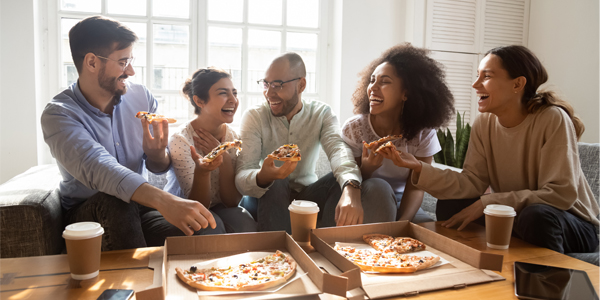
Pre-pandemic customers choosing to dine at home would have been considered bad for the industry. With necessity being the mother of invention, however, agile and innovative operators were quick to pivot, meaning meal kits, delivery and click and collect quickly gained consumer attention during the pandemic.
But is dine at home here to stay? And if so, is that good or bad news for operators?
The findings of our recent Plan to Plate report in partnership with KAM Media earlier this year showed that more than a quarter of respondents spent more or the same amount on restaurant/pub meal kits during the pandemic. Separate research from KAM found 9-in-10 consumers want the hospitality brands that they’ve had in their homes during lockdowns to continue offering these ‘at home’ solutions even when restrictions lift. And if they don’t already, about two thirds want their favourite restaurants to start selling ‘cook at home’ meal boxes nationwide.
Appetite for takeaways continues unabated with people remaining hooked on having meals and groceries delivered to their home.
This highlights how consumer behaviour has changed during the course of the pandemic and the lasting effect it will have in the immediate and long term. Our research emphasises that ‘a more relaxed environment’ was the benefit people liked most about staying in – something that, on the face of it, is not great news for hospitality operators.
However, that need not be the case. Looking at the bigger picture, offering food and drink for at-home consumption not only creates a new revenue stream through delivery and click and collect channels, but also deepens relationships with customers and brands, providing further opportunities to capture data, drive loyalty and convert at-home diners to in-venue visits.
Offering delivery and click & collect options allows operators to capture customer data and build a direct relationship with guests, something often missing with third-party delivery companies. Delivery and click & collect bridges that gap between visits and can encourage and incentivise customers to stay engaged with your brand and continue to spend money on at-home experiences.
This continuous engagement at every stage of the customer journey gives operators a deeper understanding of guests’ habits and preferences, which ultimately means more personalised marketing and promotions to attract them back again and again.
Technology can also streamline operations to ensure these new channels do not impact existing standards in-venue and result in greater efficiencies. No need for orders to be taken from one system and input into another, for example, saving staff time and reducing room for error; and controlling the flow and number of orders from multiple channels, in one central place, will help prevent the kitchen from becoming overwhelmed. With menu items being unavailable to order a major bugbear for customers both in-venue and at home, integrated tech helps by using real-time stock levels to update online or in-app menus. With 30% of people saying short wait time is a priority for them when ordering delivery, integrating ordering, EPoS and kitchen management systems can ensure the quickest possible delivery times.
Attracting customers back to venues will require greater focus post-pandemic: poor weather, travel time and problems booking are all barriers to visiting. But there is a balance to be had here – using technology and social media to promote food and drink deals and advertise events will become even more important, especially for smaller operators.
This is also where operators can take advantage of the at-home opportunities available to them: a home-delivered tasting menu of new dishes or drinks only available if customers visit might be one way of making the at-home channel work for you. Consumers are increasingly less likely to visit a venue on a whim, as our recent research has highlighted 1 in 3 look up photos of the venue and food prior to visit and are far more likely to book ahead with more than half (51%) saying they are now likely to reserve, so that they know there’s a table available for them.
With this in mind, imagine a home-delivered tasting selection so good that customers just have to make a booking – through a QR code or online or via an app, – to sample the full menu. This example highlights how effective use of technology can offer an enhanced experience, driving consumer engagement and bookings, as well as responding to rapidly changing consumer behaviours.
Technology can create an even more enjoyable hospitality experience for those keen to get back out and socialise; it can help smaller operators reach the in-home enthusiasts who’ll mix the new-found enjoyment with visits to venues, and can help convince those perhaps more cautious in nature to venture out with targeted food and drink offers.
And always be fast and flexible, because the majority of people (61%) will use at least one tool to choose a venue whether that be through social, review sites or your own website, so you must be ready and able to influence their choice.
Get in touch with Zonal today to discover how our connected technology solutions are helping hospitality businesses of all shapes and sizes to understand and enhance their customer journeys, make significant service improvements and exploit new revenue streams.
Simply put – data.
Data gathered from your in-house tech systems such as EPoS, bookings, loyalty, feedback and more holds the key to email marketing success. By combining and analysing this data, you can build highly personalised email marketing messages that gain cut-through and enable you to develop engaging one-to-one relationships with each customer.
With the right systems in place, you can take this even further to create automated communications and promotions in direct response to your customers’ behaviour – saving significant amounts of time and effort on your part. By getting the right message in front of the right customer at the right time, you can boost engagement and drive increased visits and greater spend at your venue.
But which emails work best to attract customers and convert them to bookings? Our team of marketing technology experts have highlighted some successful examples below:
Data you’ll need: First name, email address
Welcome emails are simply emails that are sent automatically to people after joining your email marketing list. They can set the tone for the customer relationship and encourage repeat visit. Bring in your personality, and create an engaging, personalised welcome email for new subscribers. Automate these emails so they go out in a timely manner so engagement is kept high and customers don’t lose interest.
Data you’ll need: First name, email address, booking history, spend history
If you can identify customers who always order wine, sending them promotional vouchers for your new beer tasting menu isn’t going to cut the mustard. Using previous spend history and personal preferences to dictate the content and nature of your email, you can make it completely relevant to each and every one of your customers. It’s a great way to increase engagement and encourage repeat visits.
Data you’ll need: First name, email address, date of birth, spend history
Everybody loves a celebration. Why not send your customers a birthday treat on their special day, such as a free glass of bubbly with their meal. If you’re able to access their spend history, you could even choose something you know they’ve ordered several times before. This will make your customer feel special, and they are likely to view your venue positively and increase the probability of them visiting again. Given all those birthdays missed during lockdown, why not send them a ‘belated birthday email’ so they can still use the offer despite the later date.
Data you’ll need: First name, email address, booking history – frequency, last booked date, spend history
If some of your regular customers haven’t opened an email from you or visited for a while, maybe it’s time to send a re-engagement campaign. Ask them if they still want to be included in your emails and if they’d still like to be kept up to date. This will not only clean your database but subtly remind them of the great experience they had at your venue. Send them a voucher or incentive to come back. This could be based on a dish or menu item that they have ordered previously.
Data you’ll need: First name, email address, postcode
Events can be a great way to get people through the door. Using data preferences, be sure to target your emails by geographical location – for example, you may not want to invite people to an event in Edinburgh when they are based in London. Promoting events is a great way to show your customers you are part of a community and helps to drive bookings, especially for those special days.
Data you’ll need: First name. email address, postcode
During holiday season email marketing is the perfect way to connect with your customers. Significant holidays tend to be lucrative for hospitality and email provides a great opportunity to reconnect to your audience and prompt people to make a reservation. Use email to promote holidays such as Valentine’s Day, Veganuary or even National Beer Day and provide offers to encourage customer visit.
A customer journey begins long before they have reached your door. Discover more ideas on how to attract customers and convert interest to bookings >
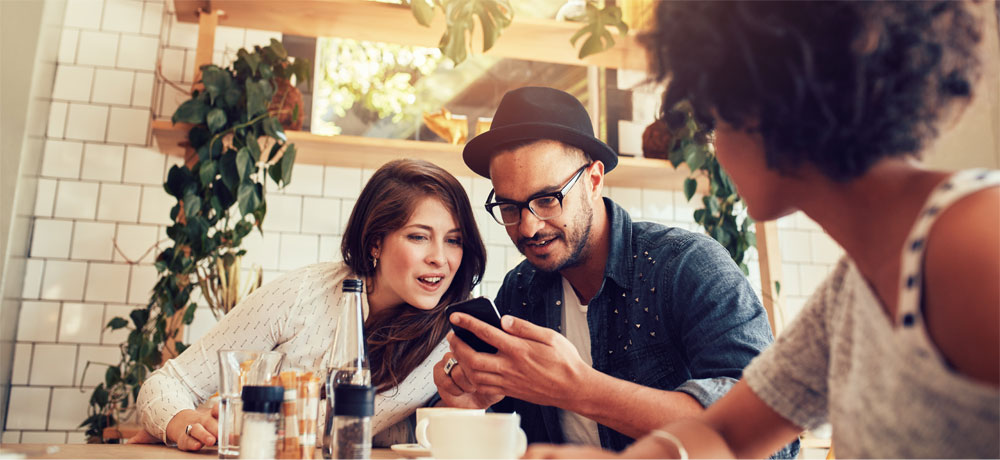
For most of your customers, their mobile device will probably never be more than a few metres away from them, so it’s likely that a customer’s first, last, and possibly only digital experience of your hospitality brand will be on their mobile device.
In fact, the 2020 Ofcom UK benchmark found that over four-fifths of time spent online is now spent on mobile devices in the UK. What’s more, the world’s biggest search engine, Google, switched to mobile-first indexing in March 2020, which means that it primarily uses the mobile version of a site’s content – instead of the desktop version – to rank pages from that site, proving just how important the experience of your brand is on a mobile device.
On top of the natural growth of mobile devices, the pandemic has accelerated usage even further in our everyday lives, including how we now work remotely, browse and shop online, and stay in touch with our family, friends, and colleagues.
A mobile-first strategy is a term that has been around for just over a decade and is used to describe an approach where digital interactions are designed and created with mobile devices front-of-mind. Mobile-first, however, doesn’t mean mobile-only; it should mean that the experience has been optimised and tailored for a mobile device.
We’ve included some top tips and pointers below, to help you ensure your guest journey is mobile-optimised:
The future of mobile will continue to be dictated by customer behaviour and tech innovation, but one thing the pandemic has shown is that the hospitality industry is more than capable of adapting quickly to these needs.
Get in touch with Zonal today to discover how our connected technology solutions are helping hospitality businesses of all shapes and sizes to understand and enhance their customer journeys, make significant service improvements and exploit new revenue streams.
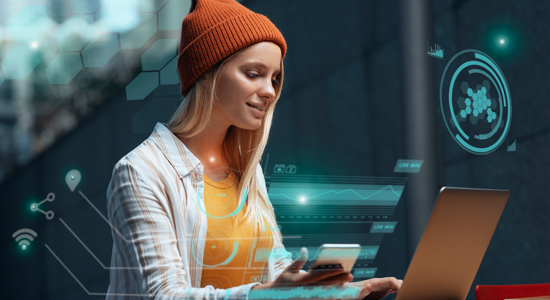
Robot waiters may seem a far-fetched idea right now, but technology has irreversibly cemented itself as an integral part of every stage in the hospitality customer journey: pre-visit, in-venue and post-visit. For hospitality operators that means, not only accepting that the technology we have recently adopted during the pandemic is here to stay, but that technology will also be key to success in the future.
Zonal’s GO Technology research, in partnership with CGA, investigated the future of technology in hospitality earlier this year, and the findings make for interesting reading – whatever the size or stage of your business. Voice activation for example, is something we are all familiar with – who these days hasn’t asked Alexa what the weather forecast is or, “Hey Google! Tell me a joke”? And the report shows there is appetite for this to be transferred to pubs, restaurants and the wider leisure sector.
Pre-visit for example, consumers could be using this tech to search for venues, and in fact, the report showed that nearly 15% of people are already very interested in this, while in-venue it has uses too. In fact, 13% of people are very interested in using voice ordering when eating and drinking out.
These numbers may seem low now, but we fully expect them to rise rapidly, as the technology improves and Gen Z and Generation Alpha grow up – after all, for today’s 10 to 20-year-olds voice activated tech is nothing unusual at all. When put in this context, it seems not a case of if but when this technology will be a regular feature in hospitality businesses.
Talking of tech that is a regular feature in pubs, bars and restaurants, online and mobile ordering, while in-venue, has become just that for many consumers. This is as a result of restrictions due to the pandemic, yes, but research shows that now it’s been adopted and normalised, it’s here to stay. Some 56% of 18 to 24-year-olds told us that they would prefer to order online in-venue, even once the country has been safely vaccinated (GO Technology, March 2021).
Operators need to keep this in mind and look at how they offer not just a basic capability but enhance it too, to help build and future proof their businesses. The GO Technology report suggests one area worth looking at is providing a way to track orders – not just when dining at home but when in venues too. This is a popular concept among those surveyed, with a quarter saying this was appealing. A fifth want a way to set up bar tabs and the same number say they’d like to be able to easily repeat previous orders.
With such technology already readily available in other sectors, hospitality needs to ensure it isn’t left behind.
Virtual reality (VR) and augmented reality (AR) are also familiar terms to today’s drinkers and diners, especially those at the younger end of the scale. This is technology that can be harnessed to engage consumers and drive revenue pre- and post- visits to venues.
One third of late-night bar users said they’re interested in VR tours and experiences and 13% of all consumers say they felt that way about AR capabilities. At first glance the latter number may not seem high, but it’s double the number that said they would like AR features on apps three years ago, which indicates a significant shift and one which experts forecast is only likely to increase.
Valuable insight from our recent Plan to Plate customer research in partnership with KAM sheds light on other areas to focus on too. For example, who would have thought almost a quarter of customers now prefer digital menus over any other type of menu – rising to 36% for those dining with children.
So yes, robot waiters may be a little way off yet (although 13% of those surveyed for March’s GO Technology report said they are very interested in the idea and this rose to a quarter of late-night bar users, a substantial percentage) but investing in technology is now essential for hospitality operators and knowing where to invest your precious cash reserves for the most effect is important.
Operators should think about taking a closer look each stage of the customer journey to work out where tech solutions can relieve pain points pre-visit, in-venue and post-visit, and therefore where investment will be best targeted in the short and long term.
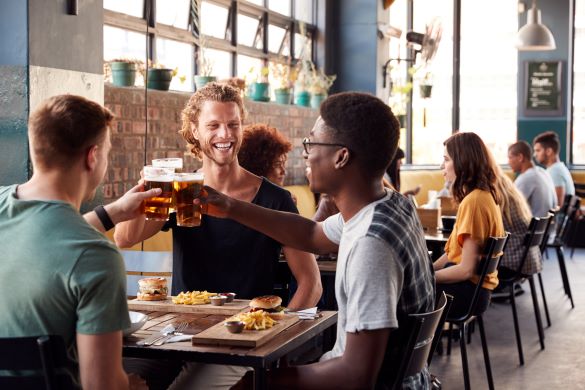
KAM Media conducted an in-depth research study with 1,004 UK adults – a nationally representative sample of British pub, bar and restaurant-goers. The full report is available here.
Below are 7 valuable takeaways for operators:
This rises to 1 in 2 for younger people and demonstrates the increasingly digital nature of the typical hospitality customer journey. The research showed that most people start their journey online, doing either a “general internet search” (38%) or using Google’s “near me” search tool (25%).
At the same time, a third said difficulty making a reservation was one of the key reasons they might decide to stay at home, so investing in a seamless booking system that offers real-time availability can really give an operator the edge.
New venues or familiar venues that are offering something new will be drawing in customers this summer and beyond. This is partly driven by the desire for new and exciting things to do after months of lockdown – but also to support local venues and to ensure that every visit counts.
Could it be that Covid has killed off the peculiarly British practice of ordering at the bar? Probably not, but this insight does indicate that a large proportion of customers now see the benefits of ordering and paying at table. Operators will need to look at offering both where possible.
Over 40% of consumers said so, which goes to show how technology originally adopted as a solution to a pandemic problem, will endure in the future. Unsurprisingly this rises to 65% of Millennials, although nearly half of people reported being frustrated when “forced” to pay via a mobile app, so it makes sense to offer a range of payment options to cater for differing preferences.
The power of loyalty schemes is generally underestimated by the hospitality sector but they have a number of benefits for operators. The report found that they drive footfall – for 1 in 7 customers, a loyalty scheme has a significant influence on which venue they choose; they encourage reviews – 31% of respondents say they would leave feedback if rewarded with loyalty points, and people are happy to share personal information in exchange for loyalty rewards as well – 79% would do so if they received tailored rewards as a result.
Nearly half (47%) of consumers said they looked at online reviews before booking. Smartphones are key to an explosion in online reviews, with 1 in 3 customers saying they are more likely to leave a review if they can do it via their smartphone, rising as high as 44% for those in the 25-34-year-old bracket.
To download the full research report and find out more about the essential role of technology in customer journey, visit our dedicated resources page: Connecting the Customer Journey
The word ‘friction’ then, is the opposite to this, where obstacles can occur at various touchpoints throughout the customer journey. From finding a venue and booking to ordering and paying, potential obstacles exist to detract from the customer experience. Understanding these potential points of friction and removing them is as good for your business as it is for your customers.
Source: Plan to Plate Research Report, May 2021, KAM Media/Zonal
Results from Zonal’s GO Technology research programme, and more recently Plan to Plate in partnership with KAM Media, repeatedly cite not being able to attract the attention of the server to order or pay the bill among consumers’ top frustrations. Customers actively want to pay quicker. And quicker payment means quicker table turns, which means extra capacity and ultimately extra revenue.
Removing friction, it would seem, is a win-win!
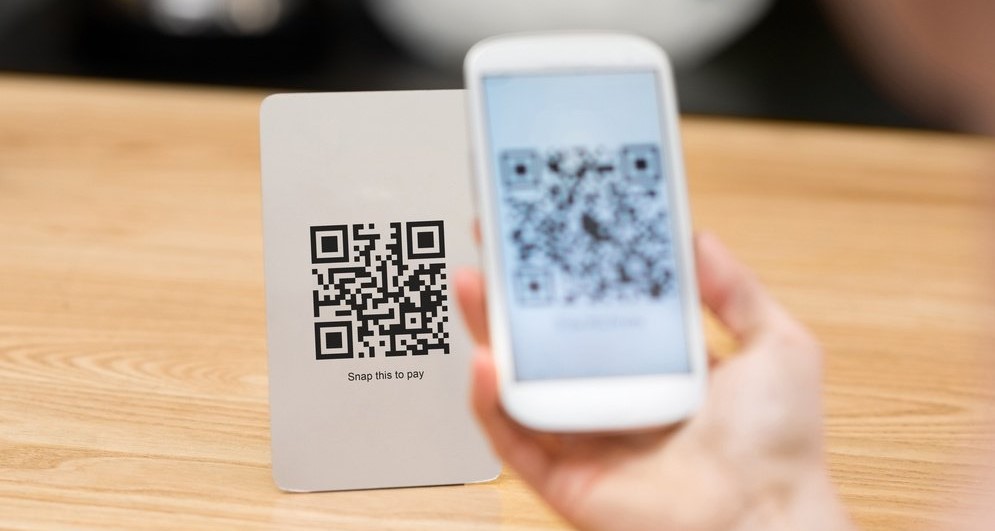
Since the Coronavirus pandemic hit at the beginning of 2020, QR codes have experienced a come-back as a simple solution that can achieve everything from checking in for Track and Trace to viewing digital menus. The development in smart phone camera technology that enabled QR code recognition and redirection to website pages has meant that QR codes are now a simple solution to many of the points of friction in the hospitality customer journey.
Whilst a primary benefit of using QR codes in-venue may be to enable quicker payment of the bill, they also allow fewer steps and fewer button clicks to order, plus improved accuracy of ordering. All the customer needs to do is scan a code, taking them directly through the ordering process at the correct venue, at the correct table – they just need to choose their food and pay.
Zonal has long recognised that enabling hospitality businesses to provide easier and quicker ways for guests to order and pay will not only increase guest satisfaction but will make ordering more efficient, increase revenues and cut down waste.
Discover how Zonal’s connected technology solutions can help you understand and enhance your customer journey.
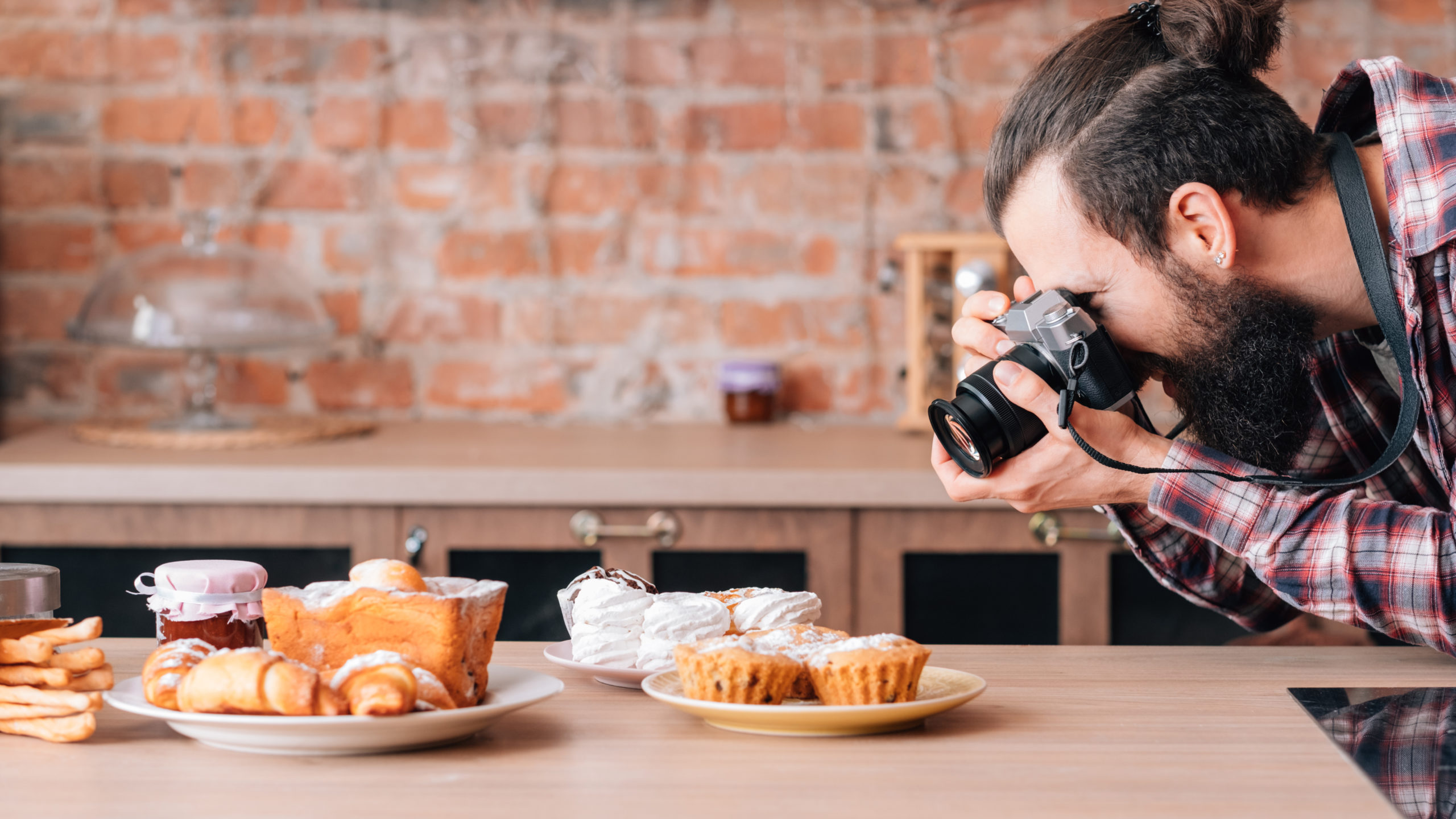
First impressions count. Humans are visual creatures, and when it comes to websites, images capture our attention and help us to visualise an experience. With 31% of consumers now looking at photos of food and 27% looking at pictures of the venue when searching for a potential hospitality venue according to recent KAM Media/Zonal research, the visual aspect of your website is more important now than ever before. A great emotion trigger: your website imagery is one thing you can control, and you can customise it completely to your taste and to fit your goals.
But how can you effectively use images on your website? And what is the best way to optimise your online menu? Zonal’s Digital Marketing Manager Joe Campbell shares his top suggestions:
If you can afford it, hiring a photographer is a great investment. Not only will you end up with professional well-composed images, but an expert will also have the knowledge on how to capture your venue and food in the best way possible. Before you start taking photographs, make sure your images are in line with the marketing goals for the business. Choose to take images of your best dishes and place them on your website with a goal in mind. You won’t be disappointed with the results.
When saving a photo file do you give it a specific name? Search engines tend to read photo files, names, titles, and descriptions and not having one there can affect your overall ranking. Do not leave your metadata blank, label your images with short snappy names, and give them hospitality-related labels with relevant titles and descriptions. This will help with optimisation and provide context to the image.
The average person spends about 8 seconds on a given webpage (Strikingly.com). That’s 8 seconds for customers to connect with your business and build a relationship with your brand. Be genuine with your photos – customers can tell the difference between stock images, and real images of your venue. Where possible, use photos of you and your staff and choose images that will accurately reflect what the customer will see when they arrive.
The top thing consumers search for when researching a potential pub, restaurant or bar is ‘What’s on the food menu’ (54%). Getting the menu and prices right can help draw your visitors in and convert them to a potential customer.
When adding a menu online, using the right images and selecting words that match your dish can help trigger senses, giving customers an idea of what each dish tastes like. Entice your customers in with powerful visuals, and accurate menu descriptions that highlight the best features of your business – your food.
Prices are important too. With 44% of consumers looking for prices when researching a potential hospitality venue, make sure you include your pricing information clearly on the menu. Your customers are going to be more conscious of how much they’re spending, and this is a major factor in their dining decisions. Despite this, 38% are more likely to try new venues when they are fully reopened, so make it easy for them by noting your prices on your online menus.
With more than four-fifths of time spent online via mobile, it is essential your website is mobile responsive. A mobile-responsive website will allow your visitors to view your website, menu and images with ease. Customers won’t stay on your website if it’s not optimised for mobile devices, and you may lose out on potential bookings. Provide a clear call to action, such as a booking link, and keep branding consistent.
Discover how Zonal’s integrated technology solutions can help you understand and enhance your customer journey and discover new ways to drive revenue.
A ‘map’ of all the steps a customer takes from the start to the finish of their experience with your pub, bar or restaurant.
The aim of a customer journey map is to give you a better understanding of how your customers experience your hospitality business, from the moment they start searching for somewhere to go out to eat or drink, to the moment they pay the bill and leave.
Having a better understanding of every step in their journey enables you to identify areas for improvement so you can enhance your customer experience, ensuring consistency and a seamless experience at all touchpoints and across all channels.
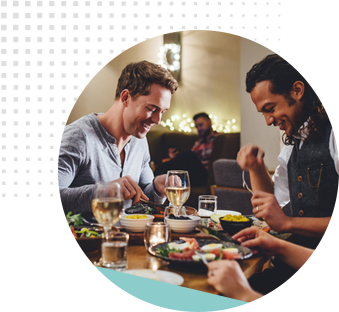
Mapping out your customer journey is important regardless of whether you’re a multi-brand, multi-site operator or an independent pub or restaurant, and what’s more, it’s doesn’t cost anything – just time and teamwork.
So, grab a pen and paper and have a look at our 5-step checklist below:
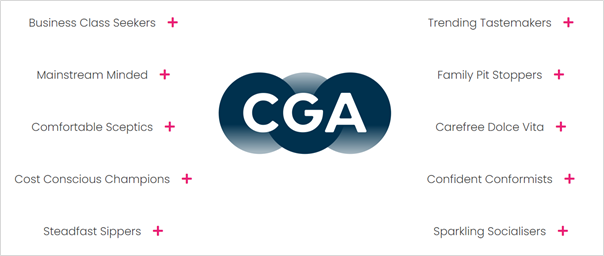
Once you’ve created a persona document for each of your customer types, you can use them to create a unique customer journey by persona; list out each stage and every single touchpoint of their customer experience with your brand – from start to finish.
This could include searching online for your business, the experience on your website, booking a table, arrival, ordering food, paying the bill, not forgetting any third-party experiences of your brand via services such as Deliveroo or TripAdvisor. Everything you can possibly think of!

For each stage of the journey and for every touchpoint, try to identify:
Once you’ve understood your persona’s goals and written down their touchpoints, walk through each of the journey maps for your customer groups with your team to help identify any points of friction within the customer experience. Does your menu load slowly on your website? Are customers forced to queue to get a table because you don’t take bookings? Are customers left waiting to pay the bill because your team are busy serving other tables? And so on…
Use your identified points of friction to create an action list of improvements. What simple changes can be made to fix the pain points? What communications can be put in place to answer common questions? What technology can be used to solve process challenges and make service efficiencies? Identify and prioritise your solutions and remember to allocate an owner for each.
The customer journey mapping exercise doesn’t end there. It’s a long-term commitment to improving your customer experience. Treat your map as a living document to be revisited regularly and updated as required; customers’ wants and needs change, circumstances change (Covid has been a sharp reminder of this!). Finally, remember to share it with any relevant internal stakeholders – ensuring the whole team is onboard and behind the initiative will ensure its success.
Get in touch with Zonal today to discover how our connected technology solutions are helping hospitality businesses of all shapes and sizes to understand and enhance their customer journeys, make significant service improvements and exploit new revenue streams.
 RESEARCH
This insight report follows the customer journey - from initial decision and venue choice through to ordering, paying and finally leaving a review.
Read More RESEARCH
The latest GO Technology report reveals that having accepted the need for technology during the pandemic, two fifths of consumers say tech improves their hospitality experiences.
Read More