
According to the Garden Centre Association’s Barometer of Trade report, catering sales in garden centres were up a staggering 3,679% in March 2022 compared to the same month in 2021, and have been up throughout 2022 so far[1], which neatly demonstrates just how important this arm of the business has become. Now playing a key role in driving revenue and footfall, café and restaurant F&B managers in garden centres must deliver on evolving customer expectations in order to continue to drive growth in 2022.
Delivering exceptional customer service in garden centre cafés and restaurants can be easily achieved by implementing the right tech – and technology specifically designed to meet the challenges of a hospitality environment can be employed to give garden centre restaurants the edge.
Here are four ways this tech can help improve the customer journey in your garden centre restaurant or cafe:
- Booking systems can reduce queue times
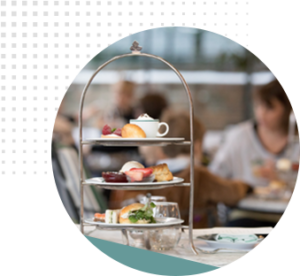 Although Brits are known to love a queue, we don’t like to be kept waiting unnecessarily. In fact, according to research we conducted together with KAM Media, a main bugbear for consumers when spending time in a restaurant is being forced to queue for a table, with 55% of consumers citing this as a top frustration.
Implementing a simple and easy-to-use booking system is one solution to alleviating this pain point. Having systems in place that allow customers to either reserve a table, or be added to a waiting list whilst they shop and be alerted when their table is available, is a great way to manage customer expectations and alleviate a major pain point for customers.
Further research also showed that 64% of consumers have reserved a table or space to eat or drink out since hospitality venues reopened in April 2021. With more customers wanting to have the assurance that their table is booked and ready for them, garden centres that provide customers with this facility will get happier customers as a result.
- Mobile devices can speed up service
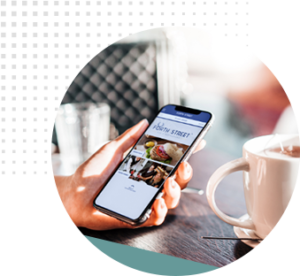 Not only do customers not like to be kept waiting, but we know from our research that customers are looking for slick, quick, convenient service. In fact, we know that more than a quarter of consumers (29%) now expect to receive updates about things like the status and timing of their orders, and another 46% would welcome them.
The challenge then, is to deliver a convenient service that doesn’t compromise on the overall quality of face-to-face service and going mobile is one solution to this dilemma. If you offer table service in your restaurants or cafes, or are considering offering it, an easy way to increase speed of service, is for staff to use handheld ordering devices, as this reduces the reliance on fixed terminals and eliminates the need for staff to rekey orders into the POS, both saving your team a significant amount of time as well as reducing any potential mistakes. This will free up staff to focus on delivering great customer service.
Digital order and payment solutions, which enable customers to order and pay directly from their mobile phone, are another easy-to-implement piece of tech that offers customers a quick and easy way to order food and drink or pay for the bill. Post-pandemic, customers have become accustomed to the presence of such services in their everyday lives. Our GO Tech report findings, in partnership with CGA, found that 79% of consumers were happy with the ease and speed of payment when paying digitally. The warm reception from consumers given to order and payment apps is reflective of how valued they have become, making them a valuable addition to any garden centre restaurant or café.
- Digital loyalty schemes can drive repeat footfall
 Our latest report conducted in partnership with CGA found that 80% of customers seek some form of personalisation from restaurants. What’s more, a third of people expect tailored discounts and details as a matter of course. But what does this mean for garden centres?
We know that people want to be treated on a personal level when spending time in other hospitality venues, so there’s every reason to believe they will have the same expectations in a garden centre café or restaurant. Meeting these expectations and providing customers with the personal touches they expect will make them feel valued and hopefully keep them coming back again and again. Having your EPoS system linked to a digital loyalty scheme is a fantastic way to achieve this. The customer data businesses acquire from their EPoS can inform F&B managers on vital sales information about their customers which can be used to create bespoke offers, deals and promotions as well as targeted marketing campaigns.
- Digital stock management can remove customer disappointment
 Specialist hospitality technology can help keep track of stock levels down to every single ingredient – in real time. This is important in terms of reducing wastage and keeping costs down, but it also removes a customer frustration before it has even occurred.
We know that another major bugbear for customers in hospitality is ordering things on a menu that are sold out already and therefore unavailable to them. With an inventory and ordering system such as Zonal’s, menus can be updated as items are ordered by customers and staff can be informed of shortages ahead of customers ordering them, side-stepping a potential customer upset.
If you would like to reduce queues, increase speed of service and grow profits in your garden centre restaurant or cafe, get in touch with us today and one of our experts will be in touch to discuss your requirements!

By Alison Vasey
Group Product Director at Zonal

Alison is Zonal’s product visionary and defines our technology roadmap and strategy. Passionate about the future of technology and how it can help operators enhance the customer experience, while driving operational efficiencies.


Subscribe to get the latest news, product announcements and industry updates
It’s probably no surprise that, according to our latest consumer research report, in partnership with CGA, 80% of consumers now use at least one social media platform. It may be more of a revelation to discover that nearly half of these consumers use social media to find recommendations of places to eat and drink out. But what may come as a genuine shock to some, is the finding that a third of customers now use social media to make a booking.
The report underlines the increasingly important role the likes of Instagram, TikTok and Facebook have in driving bookings for pubs, restaurants, bars, and the like. This is something that supports our previous research, undertaken in conjunction with insight firm Trajectory, which took a deep dive into the attitudes of teenagers when it came to hospitality and technology. Our survey of 500 young people aged between 13 and 17 revealed current trends amongst these future guests, with over 40% of this digital-savvy generation saying they visited a venue because they saw it on social media and 57% of 13–15-year-olds believing they will use social media more in the future than they do currently.
With all this in mind, it’s vital for hospitality venues to consider the importance and role of social media as part of their marketing mix – however, it’s no longer simply sufficient for marketing teams to add wisteria walls or selfie frames in order to create Insta-worthy experiences. Here, our Chief Sales and Marketing Officer, Olivia FitzGerald, shares her thoughts on how social media can drive revenue, reservations and footfall.
The ‘booking’ button
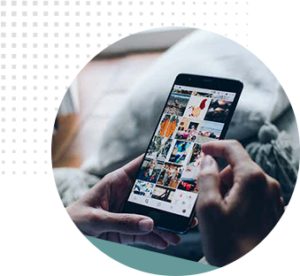
We know customers are looking for recommendations on where to eat and drink via social media – in fact more than two thirds (69%) of 18- to 24-year-olds are doing so, but it’s not enough to just be discoverable on social media. We recommend that operators ensure that there is a customer journey from discovery to booking that is seamless. We highlighted above that a third of consumers are already booking tables on social media platforms but the research shows a further 38% are happy to consider doing so. This presents a golden opportunity for venues to drive conversions and reservations by leveraging these platforms.
As a result, we recently partnered with booking channel aggregator, Mozrest to offer hospitality businesses the opportunity to boost their online bookings through Google, Facebook and Instagram. With Mozrest, venues can add a booking button to Google Search and Google Maps results featuring their hospitality venue, as well as their Facebook and Instagram profile pages, generating incremental bookings while building their own brands.
What’s more, venues that implement the Mozrest solution with Zonal’s booking platform will be able to track bookings in real-time, show available slots online and send instant confirmation emails, SMS and booking reminders to customers. This is a personal touch that will be acknowledged and appreciated, making them more likely to book again. With 80% of customers seeking some form of personalisation from pubs, bars and restaurants, small personal touches such as this are a key part of the marketing toolbox.
Don’t ghost your customers
 Nobody likes to be ghosted, and certainly not customers. So, communicating with them frequently via all channels, including socials, is key to ensuring they visit and return again and again. Customers want brands and businesses they engage with to show their personalities and be relatable – so it will be beneficial to come across as human, fun and to be interacting with customers old and new.
It’s also important to keep customers engaged once they have made a booking via social media. By linking social media bookings to your overall reservations system businesses are able to remind customers about reservations and avoid those pesky no-shows. In a survey we ran in 2021, we found the collective cost of no-shows to the hospitality sector amounted to a staggering £17.6bn in lost revenue over the course of a year. Simply sending an SMS reminder to those that booked digitally keeps customers engaged and therefore more likely to #ShowUpForHospitality.
Promote offers via social

You don’t need a genius to tell you that people like discounts, promotions, offers and freebies and social media represents a powerful way of achieving this, thus encouraging footfall and bookings.
For example, promoting a 2-for-1 deal on cocktails ahead of key calendar occasions on your social feeds, or offering customers a chance to win a free meal for two people as part of social media campaigns will pique customer interest and inspire them to make the most of the deal. Alternatively, using targeted paid for ads across relevant social media platforms will be vital in attracting customers again and again.
We also know that people want personal and bespoke deals and offers. In our GO Technology report, Make it Personal, we discovered over a quarter (29%) of people would be interested in a loyalty scheme and light personal touches go a long way – with one in six (17%) consumers interested in being able to sit at a favourite table without having to ask, information that’s easily obtainable using the right technology. The way to delivering hyper-personalised experiences is obtaining customer data – and venues that offer their guests easy ways to make reservations – whether that be via social media or Google – means data can be acquired easily. For example, if you know that a customer always reserves a table of four for their birthday and orders white wine most frequently, venues can prepare for this in advance and in a few simple steps set up offers and deals based on this data. Venues that appear to be making the effort with loyal customers by creating bespoke offers will win in the long-term.

Subscribe to get the latest news, product announcements and industry updates

It seems everything is going up.
News cycles are dominated by hikes in fuel and food prices, utilities, import charges and the general cost of living. Add in a staffing crisis and the pressures of running a hospitality business, and things are arguably more challenging than ever before. The natural temptation is to cut costs and raise prices. And while both of these options have their place, so too does investing in technology that can reduce your costs overall.
Here are eight ways technology can really help your numbers.

- Keeping a closer eye on stock control
With many ingredients and items facing double-digit price increases, it is vital to know precisely what you are spending. An effective stock management tool will allow you to monitor exactly what is going out of the business and help you adjust accordingly by either changing recipes or searching for new suppliers.
- What about waste?
Another major issue is losing cash through wastage. Of course, waste of some kind is inevitable, but by using a stocktaking solution that allows you to look at what is either not being ordered, what’s being wasted in the kitchen and what is coming back on the plate, you can monitor portion sizes and reduce over-ordering of ingredients. Keeping on top of waste not only helps the bottom line but also to achieve sustainability ambitions.
- Mistakes will be made…
You may have the best staff around, but human error will always be a factor in any busy hospitality business. This can be tracked using reporting functionality within your EPoS. Not only can you see what is and isn’t selling, it can also pinpoint where errors are being made on the till or with payment devices and highlight them to reduce the problem.
- Cash free payments
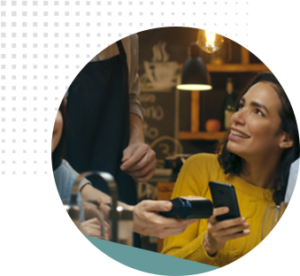
More and more businesses are going cash-free, and it’s easy to see why. Contactless payment devices are not only more efficient, but they also remove any risks associated with cash. The less cash you have in the business, the less there is that can go missing.
- Make them an offer they can’t refuse
Tech allows you to create, schedule and tweak promotions linked to what is working in the business and what stock you have available. This saves time and also potentially money in terms of hours worked. You can consider producing bounce-back offers on receipts and by collating data you can also create offers for customers on key occasions such as birthdays.
- Order and pay
It was on its way before, but the pandemic certainly changed the way customers feel about ordering and paying with technology. For many it became a preferred option, meaning they can order drinks or food without running the risk of losing their chosen spot or facing a queue at the bar. With recruitment and the cost of staffing an ongoing issue, this reduces the strain on your staff, and allows the staff you do have to achieve more, by getting customers to perform some of that role themselves.
- Money up front
Not only are customers happy to order themselves they are also becoming increasingly more comfortable with the concept of deposits. In research last year, 51% told us they would be happy to pay a deposit when booking a table in a restaurant or pub. . Taking deposits will reduce the dreaded no –shows, which have so many negative consequences including lost revenue and wasted stock, but also means more cash flowing into the business.

- Turning tables into profits
A digital table management tool, such as the one in Zonal’s suite of solutions, is more than just a way of knowing how many customers are coming to dine with you. You can also set the system so it knows the volumes you can cope with during given trading periods, taking the strain off your team. Having the ability to control those numbers and access to the data at your fingertips means you can reduce money spent on staff and give available tables to walk-ins. Again, having such an effective system could reduce labour hours and help your profits.
Zonal has a wide range of technology solutions designed to make life easier and businesses more profitable. Find out more about our range designed specifically with pub tenants and licensees in mind, here!
Subscribe to get the latest news, product announcements and industry updates
Long gone are the days where garden centres were simply a place for consumers to pick up a petunia or two. As the popularity of Santa’s Grottos at Christmas demonstrate, a trip to a garden centre is now a full experience and, as a result, food and drink has become more important than ever.
Restaurant and café operations have become an increasingly vital revenue stream for the sector. However, with new opportunities, come new challenges, and with the recent eye-watering increases in overheads, the pressure is on to find ways to drive increased spend and improve the customer experience.
In order to achieve this, technology that’s geared up to handle the unique demands of an F&B operation is key. As hospitality tech experts with proven experience in the garden centre sector, we’ve put together our three top tips on how garden centres can leverage hospitality tech in their restaurants and cafes to reduce queues, increase speed of service and grow profits.
-
Quicker queues and less waiting!
 While trading in garden cafés and restaurants remains steady through most of the day, there are nevertheless key trading times, as there are in any hospitality venue. It’s therefore important to have the right technology in place to help staff manage high footfall and reduce the amount of time customers are required to queue to be seated or served. For example, technology that enables customers to be added to a wait list and be alerted via a text when their table is available. This speeds up service, enables customers to shop while they wait for their table rather than simply leaving to find an alternative, and allows staff to serve more people – improving the overall customer experience.
While pre-booking a table may not have been something that has played a huge role in garden centre restaurants and cafés to-date, we know that three quarters (76%) of consumers say they have pre-booked to eat or drink out since the end of Britain’s first lockdown in summer 2020. Having the assurance that their table is booked and ready waiting for them has become a customer priority. With this in mind, implementing booking technology that allows customers to reserve a table, helps to improve the customer experience, as well as reducing queues and wait times during peak times – such as when the Santa’s Grotto is running or over the summer holidays.
-
Go mobile to speed up service
It’s important for F&B managers to take into consideration the main points of friction that can occur during the customer journey. We know, something which is echoed in our GO Technology report from this year, that convenience and speed of service is important to customers. More than a quarter (29%) now expect to receive updates about things like the status and timing of their orders, and another 46% would welcome them.
The key to speeding up operations whilst maintaining high-quality customer service is by leveraging technology to process customer orders quicker. Handheld ordering devices for staff is a solution, which is cost effective and can also speed-up orders and wait times. Providing staff with handheld devices reduces the reliance on fixed terminals and can also help to reduce mistakes when inputting orders. This also frees up staff to focus on delivering great customer service.
-
Grow profits
 There is also back-of-house tech, such as stock and ordering technology that takes the guesswork out of stock control by providing real-time availability. If implemented into garden centre cafés and restaurants, managers will be able to more easily ensure they are maximising the profitability of each product they stock. Meanwhile, inventory and ordering systems developed specifically for the hospitality sector, would give garden centre café and restaurant managers tighter control over their purchasing. Such systems eliminate the risk of over-ordering, minimise wastage and avoid a situation where cash is tied up in stock. Consolidating and joining these systems will also highlight where inefficiencies lie, improve reporting at all levels and increase profitability as a result.
If you would like to reduce queues, increase speed of service and grow profits in your garden centre restaurant or cafe, get in touch with us today and one of our experts will be in touch to discuss your requirements!
Subscribe to get the latest news, product announcements and industry updates
The tech every licensee needs to streamline operations and free-up time
Merely the word “technology” can be enough to strike fear into the hearts of some pub operators. It can feel like a distant land where the rewards are high but the path to get there is full of potential pitfalls; far too complicated, time-consuming or just prohibitively expensive. When you think about it though, nearly all hospitality operators have been travelling this path with success for years already.
You don’t see many black and white TVs in pubs anymore, do you? And old fashioned cash registers are now few and far between. The fact is that technological advances have already had a huge bearing on the way the industry operates and will continue to do so.
Moreover, the right technology – from the right supplier that understands the sector and the needs of pubs big and small, will save you not just money but also a significant amount of time, something we know is seriously in short supply at the moment due to the staffing crisis – particularly for independent operators with small to medium-sized pubs.
With all that in mind, here are five ways that technology can free up your valuable time by streamlining operations:
-
EPOS is boss
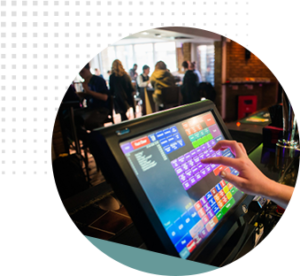
It starts behind the bar with a time-saving, data-collecting, report-producing till system but also extends out to the floor and the garden. Having an integrated EPoS system means that staff can take orders on handheld devices. The orders are then sent instantly to the kitchen, eliminating the opportunity for errors along the way. Fewer errors equals time saved.
Cash free payments at the table are also a time-saver and are only going to increase, in fact 57% of teenagers surveyed by us can’t see cash being used at all in 10 years’ time so investing in tech such as handheld readers, or app-based payments will certainly pay off.
-
Data day use
You may have a genius in your ranks who can recall everyone’s name, birthday, favourite drink and where they like to sit on a Sunday at 2pm. But not everyone is in possession of such sorcery. And what happens if that genius leaves? You can, however, have access to that information through a digital booking system, that can harvest valuable consumer data, enabling you to efficiently provide tailored and personalised offers and deals to your customers. Connecting a loyalty scheme, will build on this even further, offering tailored rewards based on habits and preferences. And we know they want it, with our recent research with CGA showing that 80% of consumers are interested in some form of personalisation when visiting pubs, bars and restaurants.
Having such an automated system not only relieves a little pressure on the old grey matter but also saves you paper and the time it takes to note everything down and refer to it.
-
Turning tables
The pandemic normalised pre-booking tables for food and even drinks in pubs, and an online way of doing this makes life so much easier for both you and your customers. Having a booking system that automatically updates as soon as someone books, allows you and your team to focus on other areas of the business. A system that also sends out automated reminders to your customers will not only save the team needing to call every customer to reconfirm bookings, but will also cut down dreaded no-shows – something which costs the industry a whopping £17.6bn a year, according to our research – which can prove devastating for smaller businesses.
-
Pre-payment
Taking a deposit ahead of a visit is something of a thorny subject in the pub trade. However, research we conducted last year as part of our #ShowUpForHospitality campaign suggests customers are mellowing on the subject – 51% are happy to pay a deposit. You can do this through a seat and redeem system, meaning that a pre-paid deposit can be assigned at the point of seating the guest. This has obvious financial benefits and, again, reduces the chances of a no show. But in this instance money also equals time, because you are reducing the manual steps in the process and have customer and payment details before they even step foot in the pub.
-
Show me the money
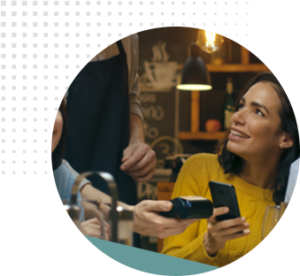
Smart systems not only make it easier to take money but they also keep a close eye on your cash flow. At the click of a button you will be able to see where money is being spent, how much you are spending on stock and wages, what’s being wasted and where you can make savings. That’s got to be quicker than looking through your ring-binders and receipts? And the admin time-saving doesn’t stop there. You can also use smart system to plan your rotas, identify trends that may need attention and much more. Having this all in one place without needing to jump around from place to place means fewer clicks and manifold benefits to you and your business. That could free you and staff up to spend more time on the floor or get round to those jobs that always seem to be on the bottom of the list.
Zonal has a wide range of technology solutions designed to make life easier and businesses more profitable. Find out more about our range designed specifically with pub tenants and licensees in mind, here!
Related resources

blog
Talking tech: hospitality tech terminology explained
Want to know your AI from your EPOS? We understand that hospitality technology can be intimidating and some of the terminology is, frankly, baffling, so we’ve created this jargon-busting glossary of terms to help licensees make sense of it all.
Subscribe to get the latest news, product announcements and industry updates
Want to know your AI from your EPOS? We understand that hospitality technology can be intimidating and some of the terminology is, frankly, baffling, so we’ve created this jargon-busting glossary of terms to help licensees make sense of it all.
Artificial intelligence (AI)
In pubs, this happens when arguments and theories become more spurious the longer the night goes on. In tech, it means intelligence demonstrated by machines rather than humans or animals. Advanced Google searches or Alexa answering your questions are both common examples.
Augmented Reality (AR)
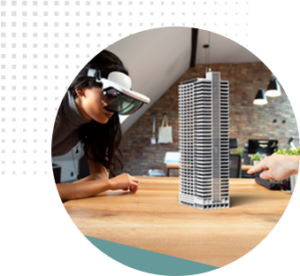 It’s reality but not as we know it. Augmented reality is an interactive experience of the real world enhanced by computer generated information. Still not clear? Remember when loads of people were using their smartphones to find Pokémon? That was augmented reality. It can be used in pubs to provide customers with venue information that can be accessed with their phones, such as details generated on menus or pump-clips about food and drink.
Backend
Tech circles will affectionately refer to this as ‘under the hood’. This is the bit of the computer which allows it to operate and is not typically accessed by the user, it includes data and operating systems.
Click & Collect
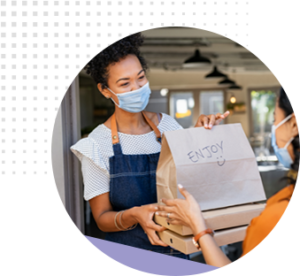
Prior to the pandemic, the practise of buying online and collecting at a venue was more generally associated with retail and the weekly shop. Smart pub operators pivoted during enforced closure periods to sell meals and drinks online that customers would collect at the venue. For many, it has provided a valuable and continued revenue stream.
Connected Technology
This one is as simple as it sounds. Connected technologies are devices that connect to each other and the internet, making business more efficient. This could be a tablet connecting to your EPOS system to monitor payments and bookings or the way a smart phone links to a watch.
Customer Database
A means of storing all the metrics about your customers and how they interact with your business. Using a variety of channels like reservations, loyalty and WiFi to build and maintain your database allows you to glean insights about your customers and thus personalise their experience of your brand. If the data shows the majority are veggies, maybe hold off on that steak night! This data is often stored in a CRM system.
Customer Relationship Management (CRM) System
Ensuring customers are happy and want to come back for more is essential for any pub. CRM systems are designed to help you do this by managing the touchpoints you have with customers so you can communicate effectively. They do this by using the data from your customer database.
Customer Experience (CX)
Also known as the customer journey. This is the entire experience a customer has with you, from finding you online, making a reservation, entering the building, ordering, eating and drinking – all the way through to writing a positive review and sharing that experience with others.
Contactless Payment
Contactless was something we all got used to over the course of the pandemic. Payment wise, customers now expect to be able to pay using contactless in pubs so they can avoid entering their PIN number or trying to find some loose cash. Contactless includes both physical cards and mobile payment devices using Apple or Google Pay.
Digital technology
A catch-all term for basically everything involving computerised technology. It also covers data captured in binary digits. We’re talking smartphones, social media, laptops, desktops, digital photos, EPoS (we’ll get to that) and much, much more.
EPoS
Newcomers to the trade may well wonder what this acronym means. It’s short for Electronic Point of Sale (as opposed to PoS, which covers the likes of posters, beer mats and table talkers). However, EPoS is so much more than just a fancy till system these days. A modern EPoS includes all the tools a business needs to help you run your business better, faster and with as little effort as possible. Find out more about our customisable EPoS solutions for independent pubs here.
Handheld Ordering
Taking the EPoS system to the table with a connected handheld device has many advantages. It dramatically speeds things up, reduces the potential for any errors from either memory, notebooks or inputting into the till and can give a superior guest experience! (Think: a table ordering drinks before their meals, and having those drinks arrive before they complete the ordering process!)
Integrated Payment System
The important bit – receiving your hard-earned money! This technology ensures servers always charge the correct amount and sends that money directly to your bank. Simple. As this technology progresses, you’ll find it built into EPoS, Pay-at-Table devices. handhelds, kiosks, apps, websites… and likely wherever the next frontier takes us…
Integrated Technology
A suite of technological solutions that link and work seamlessly together to help the smooth running of the business. Zonal works with a number of partners to offer various solutions to help pubs and the wider hospitality industry.
Inventory Management System
This is a digital system that controls your Stock and Order process – from supply chain and recipes and menus to stock counts and reports. Such systems help operators keep a close eye on things and spot where savings can be made and margins improved.
Online Booking
A software system to allow customers to make reservations online, before they visit you in person.
Order & Pay
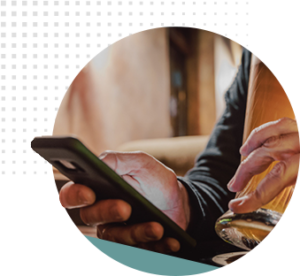 The ability to browse the menu on your phone, make your choice and pay, all while at the table or in a seat. Another area of tech that became more familiar from necessity due to the pandemic, but is now a customer expectation.
Platform
Not just the stage from where your resident quizmaster asks the questions or your karaoke singers star, but also technologies that provide systems or services. Google, Amazon, Twitter, Facebook and (of course!) Zonal are all platforms.
Property Management System (PMS)
A software system for hotels and venues with rooms. It can encompass facilitation and management of a range of requirements such as: bookings (availability, rates and channels); check-in / out; finance and invoicing; room maintenance; customer details; staff rotas and wages; marketing and point of sale.
PoS Terminal
The tangible device that houses your EPoS software, be that behind the bar, at a host point, in the ticket office, at reception and even at the table (see handheld ordering). Check out what Zonal has on offer here.
Purchase to Pay
This is the term that describes the end-to-end journey of placing orders with your suppliers. It can enable teams to see what’s in stock, what’s on order, when orders are due for delivery and invoices that need to be paid. A Purchase to Pay system can reduce over-ordering and significantly improve margins by sourcing goods from the best supplier at the cheapest price..
Mixed Reality
The next step on from augmented reality, where the real world and virtual reality are combined together to create new experiences. Think, sitting in a pub and enjoying a pint with friends – except they are in another pub…
Real-time Booking
Technology that allows customers to make online reservations with you at any time of day or night and receive immediate confirmation. Connected technology can take this to the next level by giving an ‘in-session’ view of availability for those last minute booking types!
SEO

Not the boss of the company, but probably even more important. Your SEO is ‘search engine optimisation’ and getting it right improves your visibility and presence online.
Server
A pivotal role in all hospitality businesses around the world! Not dissimilarly, in tech a server takes orders and delivers the right thing, to the right place, at the right time! It stores applications, files, web services, email and customer databases.
Stock & Order
Running low on stock? Got a big event coming up? Stock and Order describes the process of tracking what lines you have in stock, on order and what you will need to replenish.
Table Management System
Paper diaries are great. Online Bookings are even better. And Table Management makes Online Bookings the best! A good Table Management system will automatically assign your bookings to the most suitable table, allow hosts to plan and refine the session allocations and make greeting and seating a thing of beauty. Using connected technology can even give a hosts live course status’, automatically assign loyalty numbers and even ping pre-orders directly to the kitchen! Check out how we can help with this.
Tech Stack
All the bits and bobs together… The combination of technologies used to help run a range of processes within a business. This is sometimes delivered by a single platform (like Google or Microsoft – you may hear a business described as a ‘Microsoft House’ which means their tech stack is mostly provided by them), or by a multitude of providers. Choosing the right ‘stack’ is essential for a business and will be determined mostly by the technology experience levels it holds, and how well this tech works together.
User Experience (UX)
A term that has as much relevance in hospitality as it does to technology. User experience, often shortened to ‘UX’ is used when talking about how easy, effective and enjoyable a device or service is for the person using it. Something tech and hospitality providers strive tirelessly to get spot on.
Voice Recognition
Many of us are now familiar with asking Alexa, Siri or Google for answers to tricky homework questions or weather forecasts. We would anticipate a proliferation of this kind of technology within hospitality both for customers and staff.
Virtual Reality (VR)

Another piece of the reality puzzle, where users are immersed in an entirely simulated environment. Examples are already appearing in hospitality via gaming experiences and is likely to grow in the on-trade. This could be used in training programmes or even allow customers to enjoy a version of your venue from anywhere in the world.
Web Ordering
Not just for those Halloween decorations. It’s another catch-all term that covers ordering via any web-based platform. It includes how your menus can be made available on third-party apps and website.
Wireless
As simple as it sounds, the ability to communicate over distances without the need for any wires or cables. There are many technologies that can provide this, most notably: Wi-Fi; Bluetooth and 4/5G. Different situations and locations will suit a certain wireless type, so it’s always a good decision to get some expert advice.
Zonal has a wide range of technology solutions designed to make life easier and businesses more profitable. Find out more about our range designed specifically with pub tenants and licensees in mind, here!
Subscribe to get the latest news, product announcements and industry updates

Five ways to tally your tech with the demands of next generation customers


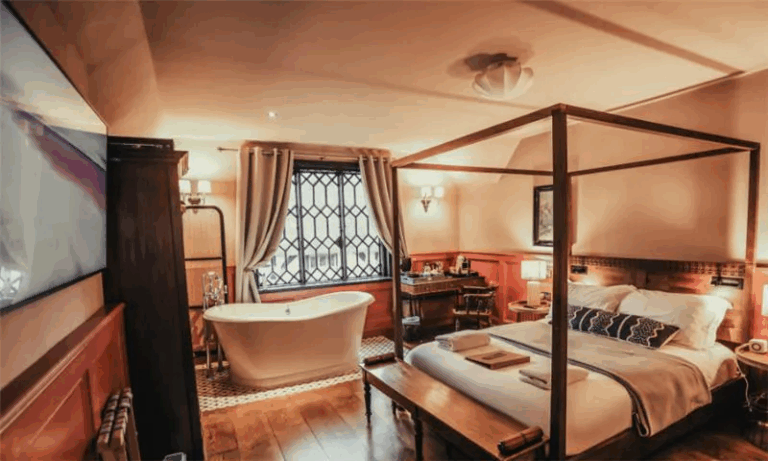

Teenagers are extremely comfortable when it comes to technology.
It doesn’t take a genius to work that one out. Anyone with a teenager in their family will understand how essential smartphones and games consoles are for the way they socialise and communicate with each other. Social media is as central to their lives as the telephone and newspapers were to their grandparents.
In fact, recent research we conducted with revealed that 95% of teenagers own a smartphone and 65% believe that technology has a positive impact on society.
So far, so unsurprising.
However, the surveys and focus groups that we conducted with more than 500 teenagers aged between 13 and 17 also revealed more eyebrow-raising findings and provide the hospitality industry with much to ponder.
The good news is that, while teenagers are dab-hands at digital communication, they also crave face-to-face contact when it comes to their leisure time.
Less than half of the teenagers we asked (45%) agreed that hanging out with people online is as good as meeting up in person. Our focus groups were peppered with phrases such as: “I go out to socialise and have fun with my friends. It’s about having fun and making memories” and “Facetime is the next best thing, but it doesn’t beat in-person.”
Teenagers want to go out to socialise, and the reasons that attract them to a venue are much the same as the generations before: atmosphere, quality food and drink, good value, a backdrop that will look good on social media…
OK, so maybe the last one is a newer thing, but it serves to highlight an important point: while technology is not the be all and end all of a visit to a venue, it is a significant factor that should not be overlooked.
The trick for operators is understanding how to ensure technology enhances rather than dominates their guests’ experience. Here are five findings from our research that should help operators achieve exactly that.
1. Cash is no longer king
In fact, according to the teenagers we spoke to, it may not even be a thing for much longer. More than half (56%) don’t believe that anyone will use cash to pay for things in 10 years’ time. Whether that’s prophetic or not, operators should invest more into cashless payment options, explore payment apps, and potentially look into the world of crypto currencies.
2. Social media marketing
Having a Facebook account that gets updated once a month isn’t going to cut it. Teenagers live on social – 68% of teenagers ‘always use social media’ – and are likely to find you there first. In our survey we found that 42% visited a venue after seeing it online, so your reach, engagement and the impression (as well as impressions) you make, are only going to grow in importance. Operators will need to keep on top of emerging platforms and ensure that their venue provides a backdrop and theatre that is worth posting about. If operators nail this, they will be welcoming content creators and influencers into their business who could do a large part of their marketing for them.
3. Experimental entertainment
Entertainment in hospitality has evolved over the years while staying true to its traditional roots. Tech advances have given games such as darts and crazy golf a new lease of life and enhanced viewing and listening experiences when it comes to live sport and music. We do not anticipate a virtual reality headset on every available table anytime soon, but that’s not to say operators should not look at the opportunity in these areas. More than 90% of 16 to 24 year-olds class themselves as gamers (according to Statista), so it would be unwise to overlook this market. As one 17-year-old male told us: “I think I’ll want to try new things, I don’t want to be stuck in the past.”
4. Super slick integrated systems
Some forms of tech are simply a given. You have to have good Wi-Fi for a start. Similarly, as we have noted above, cashless payment is pretty much an essential too. Much of society has come to expect table service, the ability to book online and scan to see an online menu. Providing fully integrated systems will allow staff to focus on customer service and ensure guests receive the optimum experience they crave. Further to that, teenagers will not just be your customers but also your workers. Virtual and augmented reality may have a place in your entertainment offer, but equally, they could play a part in staff recruitment, training and virtual tours of the business.
5. Tailored offers and deals… but tread carefully
How data is collected by businesses is a source of some conflict for teenagers. On one hand, we have 58% of teens telling us they are more likely to buy a product if it is tailored to them specifically, while on the other, only 33% are comfortable with brands keeping track of them by the things they buy. Even fewer, 27%, are comfortable with data being gathered from their social media accounts. They seem to want brands and businesses to understand them but without their online habits being monitored. This is an area where operators will have to make smart and considered judgment calls.
While there is bound to be a degree of ‘suck it and see’ to find out what works in individual businesses, it is clear from our research that the next generation of customers, thankfully, are keen to socialise and interact face-to-face.
Technology is bound to play a big role in enhancing that guest experience.
Subscribe to get the latest news, product announcements and industry updates
Exclusive offer for Zonal customers: Get Toggle FREE for 90 days!
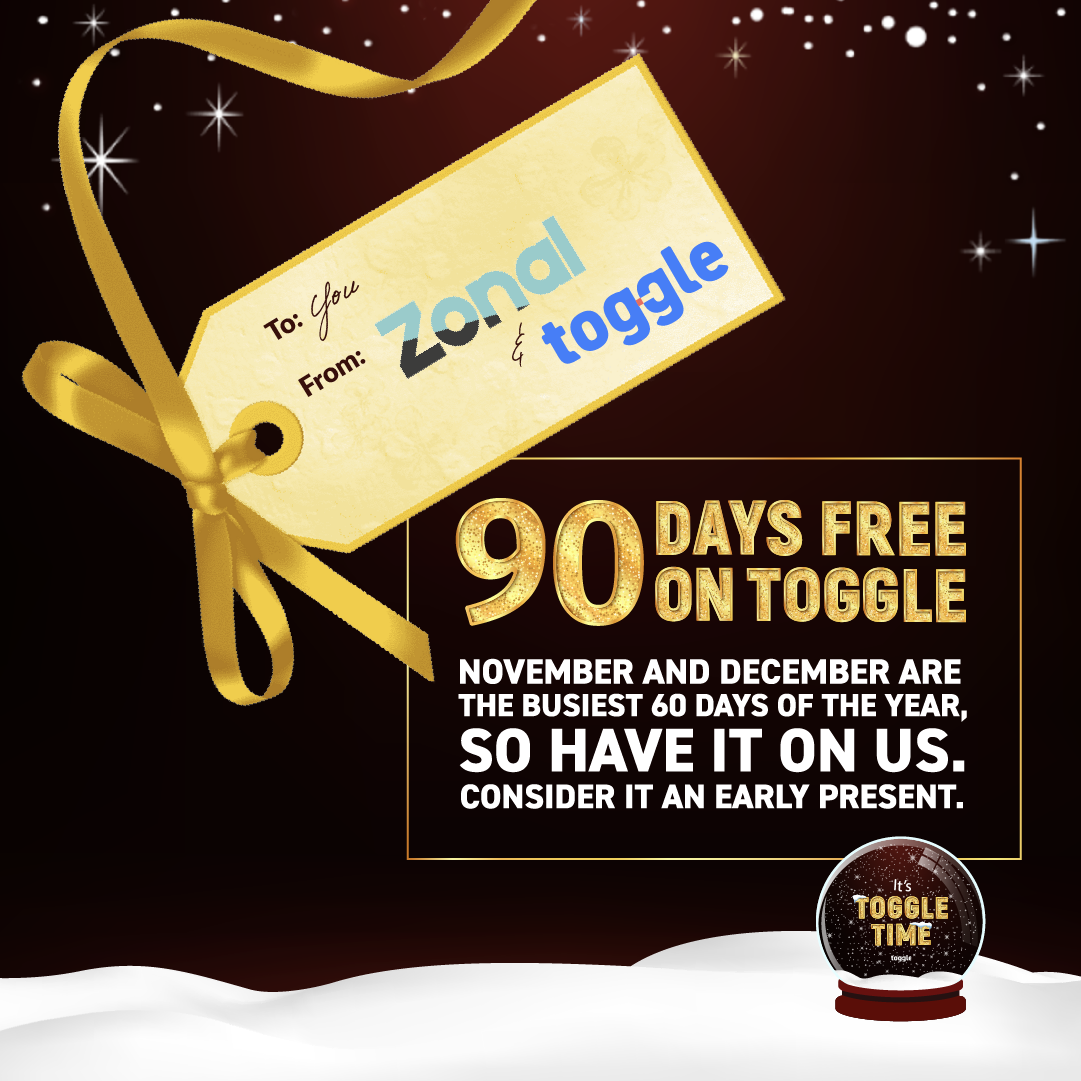
Toggle is the Hospitality Commerce platform. You begin by building a webshop with the support of their team. Afterwards you plug in your Zonal EPOS & other tech partners. Finally, you begin selling anything from gift cards to experiences, merch & retail to hampers. Both online and in venue – Toggle can do it all.
And the best news for you – it’s free for all Zonal customers for 90 days. Join the 60+ Zonal customers already taking advantage of the Toggle platform – risk free.
Pre-Toggle, you could find yourself having issues when selling and redeeming gift cards at till point. Nightmare, right? The Toggle & Zonal integration promises a seamless gifting solution. From your online webshop to the redeeming in-venue, staff won’t have gift card issues anytime soon!
If you’ve been considering setting up a gifting channel – this is your sign! Risk free. Easy set up. Toggle even fulfils all things physical from our distribution centre, meaning physical cards, pre-packed branded hampers and merch can be sold (without you even having to see or touch the products). Effortless.
Fill out the form below to get started and get gifting!
Subscribe to get the latest news, product announcements and industry updates
Holiday park loyalty programmes: the key to strengthening guest retention and boosting revenue

Holiday park guests are certainly a loyal bunch. Of the 76% planning to visit a holiday park at least once in the next 12 months, 72% of them intend to visit a brand or chain they have been to before. The question, then, is how can holiday park operators leverage this to their advantage?
The figures above come from our recent research, where we took an in-depth look at the holiday park sector. We surveyed thousands of holiday park guests and residents to find out what they want from their holiday park experiences and to identify the challenges and opportunities facing operators in the sector. And as part of this, we looked at the role of loyalty schemes.
How technology is transforming the holiday park sector
As in all other sectors of the hospitality industry, technology is helping holiday park operators deliver better customer experiences, drive sales and grow their businesses. Following a behavioral shift towards technology adoption – amplified by the pandemic – consumers now not only accept technology as part of the hospitality experience but agree that it improves their experience. In fact, our research showed that 64% of holiday park guests strongly agree, or agree, the availability of tech improves the quality of their stay.
However, such tech isn’t always available. Less than half of those surveyed said they’d had tech-based services available to them during their last visit to a holiday park and less than 20% of those had made use of those services. Moreover, even where it is on offer, it isn’t always hitting the mark. Over two-fifths of visitors gave low scores to tech services in holiday parks when asked as part of the survey. Nearly a quarter (23%) gave low scores when rating order at table systems in on-site restaurants, cafés and bars, and this rose to a quarter exactly (25%) giving a low score when rating the tech available to book activities.
Such figures strongly suggest that the sector is beginning to lag behind guests’ expectations. But all is not lost; investment in integrating systems and by ensuring you’re using all the capabilities of your existing systems, could be transformative. Even something as simple as utilising the customer data you already collect as part of the booking process will make a big difference, enabling you to remove particular pain points, personalise guest journeys and create more relevant experiences and offers. And the key to improving the guest experience in your park, could well be a loyalty scheme.
Leverage digital loyalty schemes for competitive advantage
Loyalty schemes have proved themselves popular with consumers and proven their worth to retailers and hospitality operators, alike. With the right technology in place operators can effectively collect data and use that information to target guests with specific promotions and bespoke offers, thus boosting spend and encouraging repeat visits.
The power of loyalty schemes has not been lost on holiday park residents, with 51% of them already signed up to a holiday park loyalty scheme. When it comes to holiday makers, however, the number falls to a mere 16%. It is particularly thought-provoking to contrast this with the similar number of residents and non-residents who expressed interest in signing up for a scheme – 49% and 46% respectively, so the desire is there.
To be successful, loyalty initiatives and programmes should offer:
- Excusive discounts for food and drink (61% of residents said this would encourage them to use on-site facilities more)
- Exclusive services and events (52% of residents said this would prompt them to take up offers) and
- Personalised experiences (just 43% of guests thought the experience across the park was personalised enough)
In conclusion, there is an opportunity for operators to leverage holiday park guests’ loyalty to the brands they love. Coupling this with more seamless, integrated technology and digital loyalty initiatives could really help make significant improvements to guest satisfaction and, therefore, the bottom line.
See the whole picture, join the whole experience
Zonal’s connected suite of hospitality solutions can help holiday park operators to optimise the guest experience and maximise revenues, while minimising costs and admin. These solutions include EPoS, table reservation systems, mobile Order & Pay at table, click and collect and more.
Visit our dedicated sector page to discover more.
Subscribe to get the latest news, product announcements and industry updates
Despite international travel opening up again, the lure of a traditional British break remains strong, with 76% of holiday park visitors planning to visit a holiday park in the next 12 months, according to our latest research in partnership with CGA.
We surveyed 3,000 holiday park guests in September 2021 and found that, while there’s a desire and intention to book their next holiday park trip, there are five main frustrations that may well prevent them from doing so. Our research also identified the ways operators can address these issues, and in doing so, appeal to holidaymakers, create better experiences, improve efficiencies and grow business revenues.
Frustration 1: Where’s the technology?
It is perhaps unsurprising that, for consumers now used to using technology in pubs, bars, restaurants and hotels, the same is expected of their chosen holiday park.
In fact, the majority (67%) of visitors strongly agree or agree, that it is as important to have these technology solutions inside a holiday park as it is in the outside world and a similar number (64%) strongly agree or agree, that the availability of technology solutions improves the quality of their stay in a holiday park. However, less than half the of holidaymakers surveyed said they had tech-based services available on their most recent visit to a holiday park and, of the 42% that did (namely online or app-based table booking), nearly a quarter (23%) rated their experience using it as poor or average.
This may seem like sobering reading, but the reality is that this presents a clear opportunity for any holiday park operator willing to invest in their on-site tech systems. Making sure consumer-facing tech such as online booking, order and pay, and click and collect are available, friction-free and easy to use, will easily give a park and its facilities the edge in what is becoming an ever-more competitive market.
Frustration 2: Poor WiFi
This neatly brings us onto the next big frustration – for there is no point in offering great tech solutions if the WiFi leaves guests and staff unable to access it. Guests agree, with 71% saying that having great WiFi accessibility is essential to their visit but just 53% highly rating the WiFi connectivity and strength (that is giving it a four or five, out of top score of five) at their last holiday park stay.
The ease by which guests can set up online accounts was another area in which holiday parks are under-indexing, with just 52% highly rating this. As this will likely be the very first experience of a park’s tech capabilities, it is crucial operators look at getting this right. A frictionless, simple interaction here will not only set the tone but determine whether or not, or how much, a guest utilises the technology on offer for the rest of their break.
Frustration 3: Lack of personalisation
The good news is that customer service in holiday parks is very highly rated by respondents, with 65% of them saying that they received high-quality service during their stay. The opportunity here is for operators to improve this even further by offering a more personalised experience. Currently just half of holiday park guests say they receive personalised service from staff and a mere 43% agree the technology was personalised.
This concept of a personalised experience is becoming more common across not just hospitality, but retail as well, and consumers are coming to expect at least a degree of bespoke service wherever they spend their money. Operators can address this issue by utilising data collected at booking or at on-site facilities. For example, operators can create targeted offers and experiences on site that speak to customer preferences – kids eat free before 5pm for a family, or give staff the information that allows them to greet customers by name, for instance. Such insight can also be used to inform targeted marketing campaigns pre- and post-visit that entice guests back and encourage pre-booking and up-selling.
Frustration 4: Speed of service
Eating and drinking are a vital part of any holiday and what’s on offer is an important part of the decision-making process when it comes to choosing a holiday park – interesting to note this the same for residents and non-residents alike. Exactly half of holiday makers and 45% of residents said a wide range was important.
When it comes to using the experience of F&B offers onsite however, there are some worrying trends. Only half of guests said speed of service met their expectations and 12% went as far as rating it below standard. Interestingly, the experience at dinner was rated higher than that of lunch or breakfast (59% versus 47% and 43% respectively).
Back-of-house technology can help improve this. Integrating booking, EPoS and kitchen management systems, for example, ensures speedier service for customers and frees-up staff to concentrate more on great customer service, as time consuming tasks are streamlined (such as taking an order at the table and then inputting it into the system). Even a simple integration of payment and PoS will make a significant difference, by enabling servers to complete transactions at tables without returning to the POS terminal.
Frustration 5: More perks please
Loyalty schemes and initiatives can be a powerful tool for operators looking to drive F&B sales, yet they are currently under-utilised in the holiday park sector. Just 16% of holidaymakers are signed up for one (although this does rise to 51% when it comes to residents) yet nearly half (45%) say they would be interested in one if offered.
For their part, 61% of residents say they would be encouraged to use onsite facilities more frequently if they had access to exclusive discounts for food and drink and 53% would be encouraged to used on-site facilities if they had access to exclusive events or services. In the drive to boost margins, then, a loyalty scheme can be a powerful tool – and it will also harvest data that can be used to improve experiences and inform those aforementioned personalised experiences to boot.
In conclusion…
By looking at these findings, a clear pattern is emerging. On one side, guests who want a more connected and friction-free journey and tech that improves their holiday experience and on the other, holiday parks, for whom leveraging this technology will prove a huge opportunity.
See the whole picture, join the whole experience
Zonal’s connected suite of hospitality solutions can help holiday park operators to optimise the guest experience and maximise revenues, while minimising costs and admin. These solutions include EPoS, table reservation systems, mobile Order & Pay at table, click and collect and more.
Visit our dedicated sector page to discover more.