-

Guides
The Loyalty Landscape
As more businesses turn to mobile apps to deepen customer engagement, managing loyalty programs within these platforms has become both a priority and a challenge.
Whether you’re launching a rewards system for the first time or optimizing an existing one, it’s natural to have questions which is often where Zonal’s Customer Success team are able to support our customers, not only those onboarding, but also those who are looking to improve.
Whether you’re considering implementing Loyalty into your venue, or already use Loyalty and are looking to get the most out of it, our Customer Success team have collated and answered some of the most common FAQs from both operators we work with and their guests about running a loyalty program through your app — so you can deliver seamless, personalized experiences that keep customers coming back.
With Zonal Loyalty, you’ll have access to a Loyalty UI (Platform) to manage this type of demand. Within the Loyalty UI, staff members can:
(It’s worth noting, though, that these changes will not update within the App).
As changes in Loyalty will not update within the app, the below process should be followed if a guest requests their details to be changed within the App:
Email addresses should not be changed for the White Label App, as this links to the Loyalty Account. The email address should first be changed within Loyalty by a member of staff. The guest should create a new account within the White Label App and add their existing card during sign up to the app. Alternatively, a service request can be logged for email addresses to be changed as the process is outlined above.
A process flow to help troubleshooting….
The below flow outlines the system checks that are completed during Sign Up to the App to support within trouble shooting.
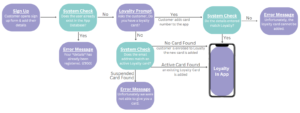
If a guest receives an error when adding Loyalty to the App, this could be due to a suspended loyalty card linking to the email address, the following options are available to support the guest:
When actioning any of the above, it is important to consider why the guest has a suspended card.
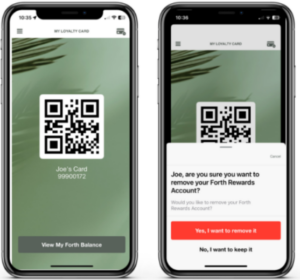
If a guest wants to remove their Loyalty Card from their App or an incorrect Loyalty Card has been added, they are able to complete is from the Loyalty card screen. Once the Loyalty card has been removed, the guest can then add an alternative card.
IMPORTANT
When logging requests for customers with the Zonal Help Centre, personal details must be shared securely. Additionally, service requests follow an SLA.
The below are some of the queries our Customer Success team hear being asked by guests to venues they visit. It’s worth displaying some of the most common questions and answers either within the App or on your own website somewhere to help guests navigating the platform(s).
Guests should navigate to the balance check screen on your website, enter their email or phone number (that was used to originally sign up to Loyalty), along with their Loyalty pin number. Their Loyalty card number can also be used to check balances on the website, along with their Loyalty pin number.
This will be sent to guests within their confirmation of registration email, on signing up to Loyalty. Additionally, the Forgotten Pin link within the balance check screen can be used to resend their Loyalty Pin number.
It is recommended guests contact the your Head Office to amend any details to ensure the information is updated correctly.
If logged in, guests should navigate to the side menu, select their name (first option on the list) and select “Edit Account”. They will need to enter their Existing Password and New Password and select “Update Details” to save.
If logged out, guests should use the Forgotten password link and enter their email address. If an app account with that email address is found, they will be emailed a new password to sign in. It is recommended that once signed back in, guests should update their password, using the above steps, for security.
Firstly, guests should check their Junk/Spam folders. If they are still unable to locate the forgotten password email, attempt to create an app account (if possible, don’t enter your mobile number in the sign-up form). If the guest can create an account, this means that they are using an email address that hasn’t previously been used in this app. If an error occurs on account creation, guests should contact your Head Office team.
No, a guest can’t change their Pin number. Only app passwords can be amended. If the guest is concerned that their Pin number has been compromised, they should contact your Head Office team..
If a guest believes the wrong Loyalty card is associated with their App account, they should navigate to the My Loyalty Card screen within the App. In the top right there is a button with a card symbol and a “-“. The guest should select this button and select “Yes, I want to remove it”. On completion, a new screen will appear asking if they have an account. Select “Yes, I have an Account”, enter the Loyalty Card Number they want to add to the app and the email address used when they signed up for Loyalty. If the details are correct this will add the required Loyalty card to the app.
If an account is created with the wrong email address, it is recommended that guests create new account on the app. Whilst creating the new account, the guest can add their existing Loyalty Card number along with the email address they originally used to sign up to Loyalty (this may be the incorrect email address).
No, it’s one Loyalty card/account per person.
If there’s any other topics, hints & tips or guidance you would like for us to write about or offer further insight, let the Customer Success Team know and we’ll see what we can do to help out!
Guides
The Loyalty Landscape


Research
GO Technology: The social value of hospitality

Webinars & podcasts
People Make The Experience: How Your Staff Drive Customer Loyalty

Webinars & podcasts
It Should Feel Like Magic, Not Marketing: Personalisation, Loyalty & Data in Hospitality

Webinars & podcasts
Loyalty That Lasts: Growing with Guests, Not Just Points

Webinars & podcasts
What Diners Want: The New Rules of Loyalty in Hospitality


Blog
How hospitality businesses can create ‘Superfans’

Blog
How loyalty can help tackle no shows

Research
GO Technology: More Than a Meal
With rising costs, increasing regulatory changes and evolving customer expectations, pubs face mounting pressure to boost revenue and increase profitability in 2025. For Lisini Pub Company, a beloved family-run operator with four vibrant locations across Lanarkshire, innovation has been the key to success.
Lisini has a long history of delivering outstanding experiences for its guests, firmly establishing itself as one of the biggest and most successful names in Scottish hospitality. Having become a beacon for the finest food, service, entertainment, events and functions in Lanarkshire – the team have enhanced their offering by introducing guest rooms at their sites. Since launching this brilliant accommodation, the company has seen a marked increase in footfall, stronger brand loyalty, and a rise in revenue.

We spoke with Siobhan Edwards, Director of Lisini Pub Company, to discover how they have transformed their business through innovation, helping them to thrive in challenging times.
What started in 1969 as a single pub founded by my parents, Harry and Kathleen Hood, has evolved into one of Scotland’s most successful and respected family-run hospitality businesses. Today, we are proud to operate five locations, offering 30 hotel rooms across our estate, and generating a turnover of £15.5 million.
Based in Lanarkshire, just outside of Glasgow, our venues are located within a short drive of each other. Each venue offers its own unique menu and atmosphere, catering to a range of tastes, yet all share the same strong, community-focused, family-run ethos.
Our dedicated team, many of whom have been with us for over a decade, help create that welcoming, family-friendly atmosphere that our customers love. From food and drinks to memorable events, our venues are the perfect place to celebrate life’s important moments — whether it’s a wedding, birthday, christening, or funeral. These connections span generations, and we’re honoured to be a part of them.
We cater to a diverse range of guests, with each venue offering something for everyone. Take Angels, for instance – a mix of bar, nightclub, and dining destination. It’s a favourite for a younger demographic, influencers, and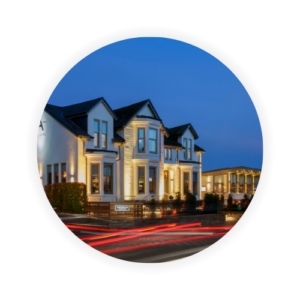 travellers seeking great food, vibrant nights, and a memorable atmosphere.
However, the majority of our guests are local and community-oriented, with our venues offering tailored experiences that make everyone feel at home. From classic British pub fare like hearty pies and fish & chips to fresh, customer-inspired dishes, we’re always evolving to meet our guests’ tastes. With a strong family legacy and a reputation built on integrity, we’ve earned the loyalty of customers who return time and time again.
When it comes to driving revenue, offering rooms at your pub isn’t just about providing somewhere to sleep – it’s about enhancing your entire food and beverage experience too.
By adding rooms to our pubs, we’ve unlocked the opportunity to host a calendar full of exciting events, significantly boosting our bottom line. We’ve found that guests attending these events are more likely to extend their stay, ordering additional food, drinks, and treats to fully enjoy the experience.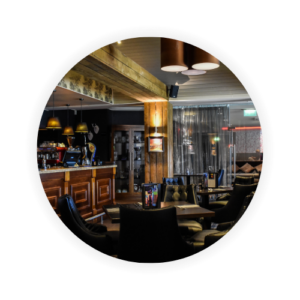
In fact, 90% of our overnight guests tend to dine and drink on-site, creating more opportunities for additional sales and a higher spend per customer. Offering tailored packages that combine event tickets, food, drinks, and overnight stays has created multiple revenue touchpoints, ensuring our guests have a memorable experience while driving sales across the board.
Moreover, offering rooms can encourage repeat visits and foster loyalty. It may sound simple, but we’ve noticed that when guests have a positive experience at our venues, they’re more likely to return and recommend us to others. This word-of-mouth marketing, combined with the opportunity to attract bookings during peak seasons, helps not just fill rooms, but also bring in more customers to the restaurant and bar, leading to increased revenue for the business.
We are always looking at evolution. For example, we had a very small beer garden of around 30sqm in Angels Hotel, and we have invested £250k to transform this into The Vault – a social events space which will offer private karaoke, interactive darts and its own bar. For us, it’s about looking at dead spaces and dead revenue, and doing something about it, using the space we have to enhance our offering and give customers another reason to visit – whether that’s for an experience in The Vault or an overnight stay in our growing number of rooms.
Running a busy group of pubs is no easy task, but Zonal’s technology has made things much easier for us. It’s not just about working smarter; it’s about working more efficiently.
Implementing a fully integrated Property Management System (PMS) has been a game changer. It has streamlined everything from reservations and guest check-ins to sales forecasting and business performance analysis. What truly sets it apart, however, is its seamless integration with our EPoS software, stock-take system, and booking platform. Everything works in harmony, eliminating the need to spend hours reconciling orders or collecting data from separate systems. This allows our team to focus on what matters most – providing an exceptional experience for our guests.
One of the things we really appreciate about Zonal is how everything is tailored to fit our unique needs. Rather than taking a ‘one-size-fits-all’ approach, Zonal allows us to select the most effective technology for our specific needs. We’ve been able to bring everything into one place, and that’s made a huge difference in streamlining our operations and boosting efficiency.
At Lisini, we’re all about putting the customer at the heart of everything we do. That shared commitment to enhancing the customer journey has made our partnership with Zonal a perfect fit.
“We live and breathe pubs, and our technology has been serving the UK pub industry for decades. A well-integrated PMS system in pubs not only streamlines operations but also opens new avenues for revenue, from personalised guest experiences to smarter resource management. By leveraging data, pubs can diversify their offerings and unlock untapped potential, ensuring consistent growth and a competitive edge – something which is more important than ever in a dynamic market.”

Tim Chapman
Sales Director at Zonal
Guides
The Loyalty Landscape
Research
GO Technology: The social value of hospitality
Webinars & podcasts
People Make The Experience: How Your Staff Drive Customer Loyalty
Webinars & podcasts
It Should Feel Like Magic, Not Marketing: Personalisation, Loyalty & Data in Hospitality
Webinars & podcasts
Loyalty That Lasts: Growing with Guests, Not Just Points
Webinars & podcasts
What Diners Want: The New Rules of Loyalty in Hospitality
Blog
How hospitality businesses can create ‘Superfans’
Blog
How loyalty can help tackle no shows
Research
GO Technology: More Than a Meal
John Sills is the author of Leadership Book of the Year 2023, The Human Experience, and is Managing Partner at The Foundation, a customer-led growth consultancy. We started working with him last year, as we embarked on our project to take a deep dive into the subject of loyalty in hospitality – even though, if you ask him customer loyalty doesn’t exist…
While customer loyalty is a hot topic in hospitality right now, I don’t believe it exists. To illustrate why I think this, here is a story about my love for Honest Burgers.
We have an Honest Burgers right opposite our office. In fact, if the fire alarm goes off, it’s our designated meeting point – we have a lot of fire drills. I loved going in there because the staff were friendly, the music was perfect, it had plants everywhere that gave a really nice feel to the place, and I had a rather specific, rather odd order.
I liked to have the plant burger – but I really like bacon, so I’d always add some of that on top, too. The vegan + meat combination could have easily been a cause for confusion. But rather than causing issues, it simply became ‘would you like the usual, sir?’ Then near Christmas, the manager of that restaurant left to go elsewhere.
And when I next went in, everything had changed. The staff were still lovely, but the music had changed. She chose the playlists, apparently. The plants were all gone – also hers, brought in from home. And when I put in my usual order, the waiter reappeared ten minutes later with a question from the chef. ‘Sir, just to check, did you really mean real bacon with that?
Loyalty is an overused term in organisations and hospitality, and it’s a dangerous one. Because if leaders believe their customers are loyal, they stop trying to impress them, focussing on winning them in the first place, then gradually taking their custom for granted.
Quite simply, if you stay more useful to your customers than the competitors and alternatives, your customers will stay with you. But if someone else becomes more useful – a better product, better price, better experience, more socially desirable brand – then they’ll go elsewhere.
The hospitality industry has a huge advantage over others in this, as a people-focussed sector and with colleagues who know that customer experience is crucial to delivering a great experience.
There are other complexities to this, of course, (the ambition of the leadership to provide excellent customer experiences, great training, a fundamental understanding of what drives your customers’ decision making, a recognition that not everything in good business must deliver an immediate ROI).
However, while I maintain that customers are not loyal to businesses, I do believe they are loyal to other people – and these can be your people, assuming you give them the correct support and tools.

Managing Partner at The Foundation
John Sills is the author of Leadership Book of the Year 2023, The Human Experience and Managing Partner at customer-led growth consultancy, The Foundation.
Customer loyalty is fragile. In the hospitality sector, consumers say they are loyal to just 2.1 brands on average and nearly a third of UK adults say they are very or somewhat likely to switch to a competitor. Our research shows that restaurant goers are the most fickle customers – 34% of them say they are likely to switch venue, more than pub patrons (29%) and bar flies (30%) but how does this compare to other sectors?
The good news is that restaurants, pubs, and bars inspire more loyalty in consumers than energy companies and utility firms (35% of the 5,000 consumers questioned for this survey said they are likely to switch suppliers in those sectors). However, hospitality finds itself pretty much on par with supermarkets (31%), gyms (32%), and phone networks (32%), when it comes to likelihood of loyalty to a specific brand, which is perhaps less confidence building for operators. This may be due to energy companies and utility firms being viewed as transactional, while hospitality and supermarkets place people at the forefront. As a result, the primary driver of loyalty seems to stem from the experiences provided by people rather than the brand itself.
In a cash-strapped market, as we find ourselves in now, loyalty becomes more precarious but also presents a greater opportunity for hospitality businesses. Therefore, finding ways to keep people engaged between visits, rewarding them when they do come through the doors, and delivering consistently great experiences, becomes even more critical.
When looking at the likelihood of switching loyalty varies across different age groups, our insight reveals loyalty is stronger amongst older consumers. A mere 16% of those aged 65+ say they are very or somewhat likely to switch to a competitor restaurant, pub or bar, compared to 41% of 25 to 44-year-olds.
Furthermore, parents are significantly more loyal to restaurants, pubs and bars than other groups, with only 26% of parents likely to switch to a competitor, compared with 37% of non-parents.
For a quick win, operators looking to build loyalty should therefore look at targeting these groups in the first instance before turning to the more fickle younger demographics.
Given the variance in loyalty levels across sectors, it is worth looking outside of our own industry to see what we can learn from others.
And, despite our research showing (perhaps unsurprisingly) that consumers are least loyal to utility companies and financial firms, there are nonetheless brands in these sectors working hard to change this – and finding success in doing so. Thus, proving that any company, in any sector, can build loyalty if they are willing to invest the time and resources – and genuinely put customers front and centre of their business strategy.
Octopus Energy has won awards for customer service and generates endless word-of-mouth recommendations from its customers to friends and family. It has achieved this by putting the customer experience at the heart of its offer, underpinning it with an understanding that dealing with energy bills is both boring and stressful.
No aspect of customer feedback is too small to warrant attention – following complaints about its hold music, for example, Octopus now plays customers tunes from the year they turned 14 (the theory being you are likely to enjoy it, as this is the average age at which people first engage with music). Meanwhile, the Octopus Wheel of Fortune recognises that it is inconvenient and time consuming to submit a meter reading and so every time an Octopus customer enters one, they can spin the “wheel of fortune” to win anything from 1p to £512 credit on their account – and more than 100,000 of them a month do so.
Another industry you may not think to look to for loyal customers is white goods, but online retailer, AO.com has become famous for its loyal customer base. That’s in no small part down to the fact that one of its core values is, “Treat every customer like your gran” but, more than this, staff are supported to deliver on this promise. Stories are manifold, from delivery drivers paying for pizzas when a new oven can’t be fitted in time for dinner to local teams arranging for an AO branded van to visit a six-year-old van fan on his birthday.
Banks are not well known for building loyalty but talk to any customer of First Direct and most will be more than happy to tell you all about why their bank is best. First Direct famously, “hires for the smile, trains for skill” and then enables its teams to listen to customers and act with empathy. The bank does not insist its call handlers stick rigidly to a script, they aren’t held to time targets, and all calls are answered by real people. This means customer issues are listened to with empathy, solved quickly and customers come away feeling as if the bank really does care.
Whilst loyalty is rooted in giving something back and building positive relationships with your customers, it also offers tangible benefits to your bottom line. Building and nurturing a base of loyal consumers who visit regularly, and spend more when they do, will be key to mitigating the impact of rising costs, and ensuring your business remains profitable.

With the upcoming National Insurance Contribution (NIC) increase, we understand the growing pressure on hospitality businesses to manage overhead and reduce operational costs. To help your team focus more delivering exceptional guest experiences — and less on manual tasks — our Customer Success Team has highlighted the latest key features released for our Order & Pay solution designed to streamline workflows, reduce staff intervention and drive efficiency across your operation.
Enhance the guest experience with table-specific QR codes
Our GO Technology research revealed that payment experiences are among the top 10 consumer frustrations. The key bugbears include having to wait to receive and settle the bill (77%) and being unable to split the bill (64%).
Traditionally, this stage of the customer journey required staff involvement, however with table-specific QR codes that link to an ordering journey, this process becomes effortless. Each code is pre-configured with the correct venue and table number, allowing guests to access a seamless ordering and payment journey directly from their smartphones.
A quick scan gives guests two simple options:
The table-specific QR code eliminates friction, reduces staff workload, and keeps service flowing — ideal for high-traffic, fast-paced venues. By empowering guests to manage their own orders and payments, operators can boost efficiency, improve table turnover, and deliver a smoother, more enjoyable experience for every guest.
Enable guest checkout to provide a frictionless guest journey
Perfect for guests who prefer not to create an account, log in, or download an app, our web-based interface enables quick and easy ordering in just a few taps without requiring guests to sign up for an account which can sometimes be time consuming or require additional staff support. This streamlined approach is ideal for fast-paced, quick-service environments — allowing guests to place their orders quickly and easily while still receiving an email receipt.
The result? A frictionless experience for your guests and reduced operational complexity for your team.
Effortless bill splitting for a smoother payment experience
Splitting the bill at the end of a meal can often be time-consuming and prone to mistakes when done manually. Our Order & Pay solution simplifies the process, offering guests flexible, easy-to-use bill-splitting options — all from their own device.
With just a few taps, guests can choose how they’d like to settle the bill:
This feature helps to remove some of the hassle of manual calculations, eliminates errors, and gives guests complete flexibility — ensuring a seamless end to their dining experience.
This flexibility reduces the need for staff involvement in calculating and processing payments, thus lowering overheads. Additionally, guests can opt to add a tip before completing their payment, streamlining the entire transaction process. Once the payment is made, a confirmation message is displayed, and an email receipt is sent to the guest.
The latest update to our mobile ordering manager platform offers several features to enhance operational flexibility and reduce overheads:
Improved reporting and user management
Several enhancements have been introduced to streamline the process for managing team member permissions and auditing changes made within Mobile Ordering Manager. These include:
Increased Reporting Frequency & Scope: Mobile Ordering Manager’s interaction reports are now run daily, providing head office staff with more timely insights into site-level operations. This enables quicker action to address any negative behaviours, such as disabling online ordering during peak times.
Self-Management of Users: Create, edit, and delete users directly within the platform. This accelerates user management tasks and empowers site managers to operate more efficiently.
By implementing these innovative features and functionalities, Order & Pay can significantly reduce overhead costs and improve operational efficiency. These solutions not only enhance guest experiences but also minimise manual interventions, automate processes, and provide greater control over day-to-day operations. As a result, operators can reduce labour costs, optimise workflows, and improve overall profitability.

Guest blog by Mozrest
What Is Reserve with Google, and Why Is It Important?
Every day, millions of people search for restaurants on Google Search and Google Maps—many of them looking to book a table immediately.
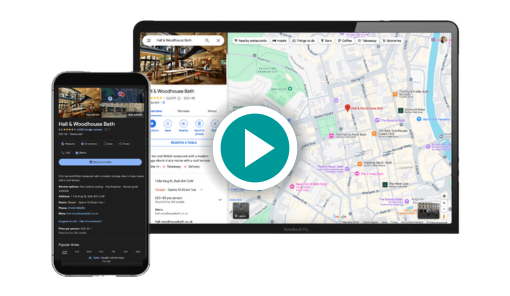
Reserve with Google allows you to add a “Book a Table” button directly to your restaurant’s Google listing, making it easy for potential guests to reserve a table in just a few clicks.
This seamless booking experience can increase reservations by up to 30%, helping you attract more diners and fill more seats effortlessly.
How Can Reserve with Google Increase My Revenue?
By enabling Reserve with Google, restaurants can gain an additional 150 to 250 covers per month—without spending extra on marketing. Here’s how it boosts your revenue:
This combination leads to more bookings, higher revenue, and a more consistent flow of guests.
How Do Google Bookings Work with Zonal?
Thanks to our partnership with Mozrest, Zonal makes managing Google bookings simple and seamless. When a guest reserves a table via Google Search or Google Maps, the booking is automatically synced with your Zonal Bookings system—just like any other reservation.
This eliminates the need for manual data entry, saving your staff valuable time and reducing the risk of errors or double bookings. Once a booking is made, it is automatically confirmed for your guest, and your availability is updated in real time within the Zonal system. This ensures your schedule stays accurate and your operations run smoothly.
How Can I Get Started?
Getting started with Reserve with Google through Mozrest is fast and simple. If you’re already a Zonal Bookings customer and would like to activate Google bookings, just reach out to your Account Manager, and they’ll handle the rest. Once enabled, you’ll be ready to start increasing reservations effortlessly. Alternatively, click the button below to get in touch!
Nottingham, Edinburgh and Liverpool have become the latest UK cities to announce the implementation of a new type of ‘tourist tax’ on hotel stays. They join Manchester which already has a £1 per room, per night charge in place for visitors, on top of their bill.
The schemes are growing in popularity after success across Europe in cities such as Paris, Bruges and Barcelona, which allow local authorities to implement a ‘transient visitor levy’ on short-stay travellers.
But there is a catch; local authorities in England are not actually legally allowed to tax tourists.
British cities like Manchester have introduced a legal workaround to bring in a levy for tourists, by incorporating accommodation into their existing Business Improvement District (BIDs) Zones and applying the same levy as they do to other businesses that fall within it. So, from April 2023, 78 accommodations in Manchester were included in its BID zone, and guests now pay to cover the new charges imposed on those buildings.
This levy raised more than £2.8million in its first year, creating much-needed funds for new initiatives to boost tourism and support the hospitality industry in the city.
Seeing this success, Nottingham and Liverpool are following suit in England, with similar BID charges set to start from summer 2026, earmarked to help raise funds to improve their visitor economies. The London Mayor, Sadiq Khan, is also reported to be looking into a new levy for the capital, after seeing Manchester’s success.
In Scotland, however, the Government has taken this one step further, by voting in favour of legalising a 5% enforced tourist tax on overnight stays in popular areas like Edinburgh, Glasgow and the Highlands, capped at five nights, starting in July 2026.
In Wales, the government has also voted in favour of an optional tourist tax to raise a forecast £33 million annually, which each of its 22 councils can choose to introduce from 2027.
Despite the plans to reinvigorate the UK tourism industry, these new levies have not come without a fair share of controversy in recent years.
Bournemouth saw plans for a new tourist tax thrown out by the Secretary of State for Housing, Communities and Local Government last summer after 42 hotels petitioned against it. The hotels from across Bournemouth, Christchurch and Poole objected to the proposed £2 per room, per night tax, claiming it would deter guests from staying due to the increasing costs, losing them vital business income.
UKHospitality has recently backed these claims, calling the tourist tax ‘damaging’ to the hospitality industry because it could make the UK less attractive to visitors.
Although there is opposition to levies in the UK, there is clear financial benefit for cities that impose them.
For example, the Edinburgh levy is set to raise £50 million per year, to fund cleaner streets, quicker removal of graffiti, environmental improvements, more attractive spaces and better transport connections; all in aid of further boosting tourism to the city.
In Liverpool, the newly proposed levy is predicted to raise £6.7 million over the first two years, which is set for investment in hospitality, events and cultural venues.
Hoteliers are understandably wary of new levies pushing prices up for visitors and the impact this will have on their booking numbers and ultimately, profits.
Despite this, the latest research has predicted that a country-wide, £1.25 nightly charge per person could raise £560 million for the economy, and the demand for tourist tax legislation seems to be growing from government officials.
This is set to be a hot topic for hoteliers, and something for hospitality bosses to consider when budget planning over the coming months.
UKHospitality has announced a brand-new partnership with the government to provide over 16s with sector-based Work Academy Programmes (SWAPs) to boost employment in the hospitality industry.
The scheme, which was announced last month, will provide applicants with the skills they need to secure employment within hotels, restaurants, bars, pubs and leisure venues.
The partnership comes as UKHospitality recently reported a shocking 48% increase in hospitality job vacancies in 2024 compared to pre-pandemic levels, revealing the desperate need for up to 90,000 skilled workers in the industry.
The sector-based programme will provide industry-specific training for applicants in 26 locations around the UK, with the goal of getting 10,000 young people job-ready by next year. UKHospitality aims to boost productivity in the industry, spur economic growth and provide people with stable, engaging and fulfilling careers.
Alongside SWAPs, The Department of Education has also made key changes to apprenticeship schemes to cut red tape and make learning more flexible for young people. This includes letting businesses decide whether each applicant needs to complete Maths and English qualifications at Level 2 to pass their chosen training scheme.
These hospitality sector-based Work Academy Programmes are set to bring thousands of high-quality recruits into the hotel industry. Through the Government’s Hospitality Skills Passports, workers will gain skills that are applicable across different roles in hospitality, from F&B provision and service to customer service and front-of-house roles. This means that hospitality businesses will gain staff with sought-after transferrable skills to boost productivity and provide great customer service across all departments.
This extra recruitment to the hospitality sector is forecast to support the industry to grow, boosting further investment and expanding profits for hoteliers and other business owners.
UKHospitality will begin rolling out this programme alongside the Department for Education from April 2025, in partnership with job centres, colleges and training centres across the country. This will make the scheme accessible for both applicants and hospitality businesses seeking new recruits.
As the demand for accommodation grows in the UK, the latest research shows investment activity will surpass 2019 levels this year.
The latest Savills report shows a surge of international interest with 3,000 new rooms in London alone. This new confidence from overseas investors coincides with the recovery of international travel to the UK since 2023, particularly from Chinese and American tourists.
To support the demand for rooms, some cities such as London have enforced supportive planning policies to convert unused spaces, such as offices, into micro and aparthotels. These new accommodations are often located in central business districts, perfect for visitors travelling for work. London has seen £400 million worth of investment in these schemes in the past 12 months, with this market forecast to grow rapidly in 2025.
Forbes recently reported that travel spending is at its highest levels since 1960, with Gen Z and Millennials leading the shift towards ‘experience travel’, creating a boom in tourism centred around specific events and experiences.
From concerts to sporting events, investment in hotels near arenas and stadiums is growing, as the younger generations prioritise a more integrated hospitality experience. The ‘Taylor Swift effect’ is a perfect example of the influence of significant events on the hotel industry, with sales at hospitality venues within three miles of Wembley Stadium averaging £1 million per night and hotel occupancy reaching 94%, during her five-night residency last year.
Luxury hotels have seen the biggest levels of investment since 2023, and the sector is forecast to grow even further this year. With bespoke culinary experiences, large private aparthotels and wellness and health retreats gaining huge traction, investment in luxury hotels that offer special experiences is booming.
This growth also benefits visitors with smaller budgets, and research shows that more affordable stays at off-peak times are growing in popularity, with mid-week occupancy rates improving significantly in the past year.
Hoteliers will be well aware of the significant pain points for the industry this year, from a rise in minimum wage and tax cost pressures to chronic staff shortages. Creativity and innovation have never been more important for hotels to gain investment to thrive.
Despite these challenges, the outlook is positive, with over £5.75 billion worth of investment in hotels in 2024. With a 5% increase in inbound tourism predicted this year, it has never been more important for hotels to embrace technological change to tap into new markets and reap the benefits of these exciting levels of growth.
https://premierconstructionnews.com/2025/01/21/uk-hotel-investment-reaches-five-year-highs/
https://www.savills.co.uk/blog/article/371000/commercial-property/what-s-here-to-stay-in-2025–trends-in-the-hotel-sector.aspx
https://www.savills.co.uk/insight-and-opinion/savills-news/370917/savills–uk-hotel-investment-reaches-%C2%A35.75-billion-in-2024–doubling-2023-levels
https://www.visitbritain.org/news-and-media/industry-news-and-press-releases/visitbritain-publishes-inbound-tourism-forecast-0
After a rocky few years for the hospitality industry, Visit Britain’s latest forecast report provides some welcomed optimism for British hoteliers. The 2025 inbound tourism forecast shows a 5% increase in predicted visits to the UK this year – with a record 43.3 million tourists set to travel here.
As the tourism industry continues to grow, the UK government has unveiled ambitions to reach 50 million visitors by 2030. So, how can hotels best prepare for this influx of visitors?
Here we share our tips on how hoteliers can cater to the growing demand from overseas.
With a large number of bookings potentially coming from overseas guests, it’s never been more important to ensure your hotel is visible for easy booking.
With Zonal’s specialist cloud-based software, hoteliers can manage direct bookings and 450 + OTAs to maximise reservations and boost profits, especially during peak seasons or special events. Rates can be adjusted based on demand and guest behaviour, to stay competitive and increase RevPAR.
Our fully customisable booking platform seamlessly integrates with your own hotel’s website and automates payments, making direct booking simple and easy for overseas guests.
Visit Britain forecasts a 46% increase in Chinese visitors to the UK this year compared to 2024, with spending set to increase by 77% to over £1.6 billion.
Tourism from the USA is also set to boom this year, with almost £1 in every £5 of inbound visitor spending in the UK predicted to come from US travellers.
To cater for these significant tourist markets, tailored communication is key to ensuring happy guests and repeat bookings. Through Zonal’s PMS, marketing communications can be hyper-personalised, allowing hoteliers to upsell hotel services, deals or events specifically catered towards different guest preferences and nationalities.
Think about your hotel’s unique selling points and how they can appeal to overseas guests, for example: Are you set in the quintessential British countryside? Serve traditional pub grub? Are you in the centre of an iconic multi-cultural city? Does your hotel hold historic significance? Why not double down on your hotel’s distinctive offering by providing offers, experiences or F&B packages that would entice guests looking to experience UK culture? Afternoon tea anyone?
Visit Britain’s latest research has found that a whopping 90% of visitors to the UK would want to visit film and TV locations during a trip. From Harry Potter to Downton Abbey, many of the world’s most famous TV programmes and movies have been created in locations across the UK and the chances are, your hotel may be near one of them.
Hotels can tap into this niche through specialist offers and events. Think guided tours, themed F&B offerings, information leaflets or special talks at your hotel – hoteliers can maximise this love of TV and film by creating their very own cinematic magic for guests.
Slick operations are essential for hotels and staff, especially during busier periods. With inbound tourism set to increase, hotels should look to optimise their operations to save time, cut costs and ensure a seamless guest experience.
With Zonal’s PMS, guests can easily check in and out of their rooms with digital room keys and automated payment processing, eliminating reception queues and saving time for your front-of-house staff. Housekeeping staff are also alerted when a room needs turning over, further boosting staff efficiency.
From the moment guests arrive in their room until they check out, their preferences and special requirements are tracked to provide a truly personalised experience across all areas of your hotel, even down to the emails they receive post-stay.
By streamlining your hotel’s processes, staff gain back the time to do what they do best, providing guests with excellent customer service.
Things are looking up for the UK hotel industry, and with a record year for inbound tourism predicted, hoteliers need to ensure they are prepared to get ahead of the competition to reap the benefits.
By using intelligent software, hoteliers can optimise their operations and maximise their unique features to entice tourists from overseas and provide unforgettable British experiences, all while boosting profits.



We’d love to show you how Zonal can help take your hospitality business to the next level. Contact our expert sales consultants using the form below, or call us now 0800 131 3400.